Ensuring Safe and Secure Roof-Mounted Solar Panel Supports
April 4, 2024
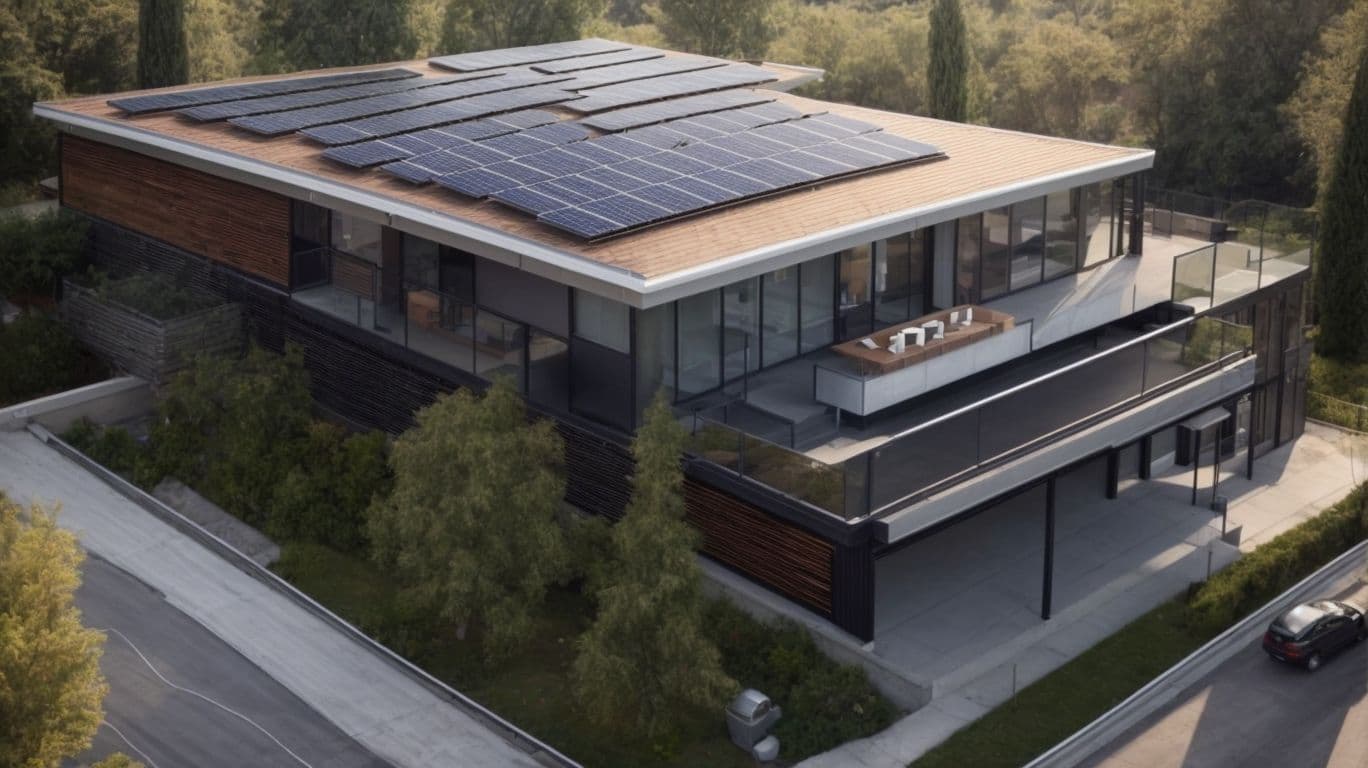
When harnessing the power of solar energy, safe and secure roof-mounted solar panel supports are essential.
Without proper supports, risks can range from structural damage to potential injury or even death.
We discuss the importance of safe installation, factors to consider when choosing supports, the different types available, and how to ensure a secure installation.
Explore additional safety measures to protect your investment and those around you.
Why Are Safe and Secure Roof-Mounted Solar Panel Supports Important?
Safe and secure roof-mounted solar panel supports are crucial for ensuring the overall safety, security, and longevity of the solar panel system installed on a building. Properly designed and installed supports not only protect the solar panels but also safeguard the structural integrity of the roof and the building as a whole. They play a vital role in maintaining a reliable solar energy system by mitigating the risk of panel malfunctions due to improper support. The secure installation of these supports ensures that the panels are held firmly in place, even during extreme weather conditions. This stability not only enhances the performance of the solar panels but also reduces the likelihood of damage to the roof, preventing costly repairs and potential safety hazards for occupants inside the building.What Are the Risks of Not Having Safe and Secure Roof-Mounted Solar Panel Supports?
Neglecting to have safe and secure roof-mounted solar panel supports poses significant risks that can lead to structural damage, compromised safety, and potential hazards. Without proper supports, the solar panels and the building structure are vulnerable to various threats. These risks include the possibility of panels becoming dislodged or shifting due to inadequate support, which can result in physical harm to individuals or property damage. Unstable supports can lead to leaks, corrosion, and other water-related issues that may compromise the integrity of the roof and the overall structural stability of the building. A lack of stable supports can also impact the efficiency and longevity of the solar energy system, reducing its performance and potentially increasing maintenance costs over time.Structural Damage to Roof
The absence of safe and secure roof-mounted solar panel supports can result in severe structural damage to the roof, especially during extreme weather conditions or when the load capacity of the panels exceeds the design limits. Inadequate fasteners and anchors can compromise the overall stability of the system. This lack of proper installation can lead to the panels detaching from the roof, causing leaks, water damage, and even potential collapse in extreme cases. It is crucial to consider the structural integrity of the roof and ensure that the supports are capable of handling the weight and stresses placed upon them. Suitable fasteners must be used to secure the panels firmly in place, preventing them from shifting or dislodging during high winds or heavy snow loads.Potential for Injury or Death
Inadequate safety measures related to roof-mounted solar panel supports increase the risk of serious injuries or even fatalities during installation, maintenance, or in case of system failure. Proper risk assessment, safety precautions, and fall protection are essential to mitigate such risks. Installing solar panels on rooftops requires careful planning and execution to ensure the safety of both installers and occupants. Without proper safety protocols, workers are at risk of falls, electrocution, and other accidents. Regular maintenance is crucial to prevent structural issues that could lead to panels becoming loose or unstable. In emergencies, such as severe weather events, having well-defined evacuation procedures and quick access to shut-off controls is vital to minimize potential dangers.Damage to Solar Panels
Without secure and stable supports, roof-mounted solar panels are at risk of damage from environmental factors such as wind, snow, water infiltration, and corrosion. Proper protection, weatherproofing, and durability are crucial for preserving the panels' efficiency and lifespan. Inadequate support systems can lead to panels being dislodged or damaged during strong winds or heavy snow loads. Without proper weatherproofing, water infiltration can cause internal damage and reduce the panels' performance. Corrosion resistance is also essential to prevent deterioration over time, ensuring the panels remain structurally sound and functional. Implementing protective measures not only safeguards the panels but also contributes to their long-term reliability and energy production. By investing in quality support structures and maintenance, solar panel owners can maximize their system's efficiency and longevity.What Are the Factors to Consider When Choosing Roof-Mounted Solar Panel Supports?
Selecting the right roof-mounted solar panel supports involves considering various factors such as the type and material of the roof, the weight and dimensions of the solar panels, the expected wind and snow loads in the area, and adherence to local building codes and regulations. It is essential to assess the structural integrity of the roof to ensure it can withstand the added weight and stress from the solar panels. Roof orientation and angle are other critical aspects to evaluate for optimal sunlight exposure and energy production. The compatibility of the mounting system with the specific roof type, whether flat, sloped, metal, or asphalt shingles, plays a significant role in the installation process. Understanding the load-bearing capacity of the roof is crucial to prevent any structural damage and ensure long-term stability.Roof Type and Material
The specific type and material of the roof play a significant role in determining the appropriate roof-mounted solar panel supports. Different roofs, such as metal roofs, flat roofs, or pitched roofs, require tailored solutions for secure attachment and waterproofing. Each roof type presents unique challenges and considerations when it comes to installing solar panels. For instance, metal roofs may need special mounting systems to avoid corrosion, while flat roofs require careful attention to prevent water ponding. Pitched roofs, on the other hand, offer the advantage of natural inclination for optimal sun exposure but may need reinforced supports. Waterproofing is crucial for all roof types to prevent leaks and water damage. Secure attachment methods can vary from ballasted systems for flat roofs to adjustable tilt angles for pitched roofs, ensuring stability and efficiency of the solar panel installation.Weight and Size of Solar Panels
The weight and size of the solar panels directly influence the load capacity requirements of the roof-mounted supports. Structural analysis and compatibility with the components are essential for ensuring that the supports can effectively sustain the panels' weight. It is crucial to consider how the dimensions of the panels interact with the design of the supporting structure. The selection of appropriate supports that can bear the weight of the panels without compromising the integrity of the roof is paramount. The material composition of the supports plays a key role in determining their load-bearing capacity. Adequate reinforcement and anchoring mechanisms are equally important to distribute the weight evenly and prevent any structural damage. Taking into account all these factors ensures a secure and efficient installation of solar panels on rooftops.Wind and Snow Loads
Regions prone to high wind speeds or heavy snowfall require roof-mounted solar panel supports that are engineered to withstand significant wind resistance, snow loads, and even seismic events. The supports' durability under these conditions is critical for long-term performance. When considering wind and snow loads for roof-mounted solar panel supports, it is crucial to ensure that the support structures are designed with appropriate load-bearing capacities. In areas where strong winds are common, such as coastal regions, the panels must be securely anchored to prevent uplift. Similarly, in snowy regions, the supports need to have sufficient strength to bear the weight of accumulated snow without buckling. In seismic-prone areas, the supports should be able to withstand the shaking and shifting that can occur during an earthquake to maintain the integrity of the solar panel system.Building Codes and Regulations
Adhering to building codes and regulations is vital when installing roof-mounted solar panel supports to ensure compliance with safety standards, structural integrity requirements, and the overall installation process. Following the prescribed guidelines mitigates risks and ensures regulatory compliance. Adherence to building codes and regulations helps to guarantee that the solar panel supports are securely and effectively installed, minimizing the potential hazards associated with improper installations. By following safety standards and structural integrity requirements, individuals can ensure that their solar panels are mounted correctly, contributing to the overall safety and efficiency of the system. It is essential to recognize the importance of these regulations in achieving a successful and sustainable solar energy project. Avoiding shortcuts and prioritizing compliance with established guidelines will lead to a reliable and durable installation in the long run.What Are the Different Types of Roof-Mounted Solar Panel Supports?
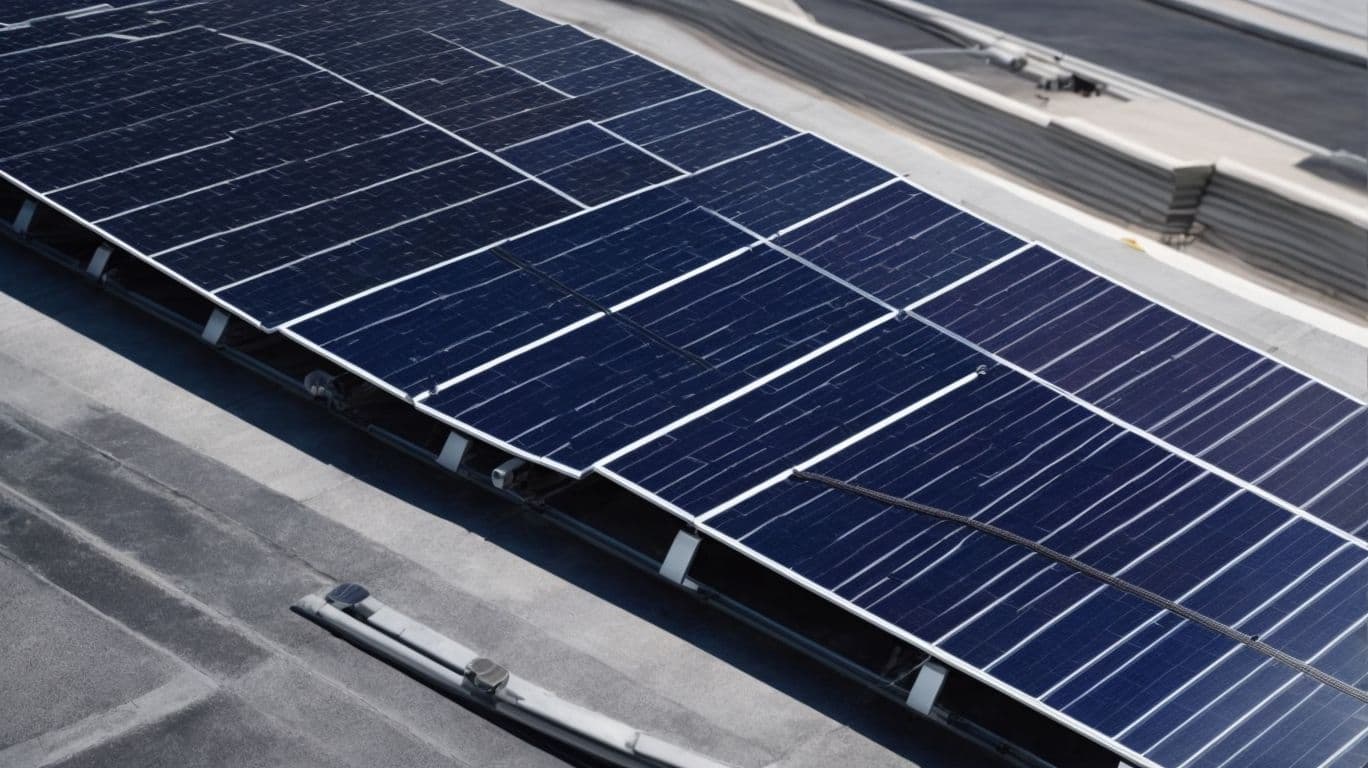
Roof-mounted solar panel supports come in various types, including ballasted supports that rely on weight for stability, penetrating supports that anchor into the roof structure, and hybrid solutions that combine both methods. Each type offers unique benefits based on secure attachment and structural support needs. Ballasted supports are popular due to their non-penetrative installation, making them ideal for roofs where structural integrity is a concern. On the other hand, penetrating supports provide a more secure and permanent attachment, ensuring stability in high wind areas. Hybrid support systems offer a balance of these advantages, combining the ease of ballasted installation with the added security of penetration. Understanding the characteristics of each type is crucial in determining the most suitable option based on the specific requirements of the installation site.Ballasted Solar Panel Supports
Ballasted solar panel supports utilize weight to secure the panels in place without penetrating the roof surface, offering a weather-resistant and UV-resistant solution for locations with specific environmental challenges. Their non-invasive nature makes them suitable for preserving the roof integrity. The ballasted supports distribute the weight of the solar panels evenly across the roof, reducing the risk of damage caused by concentrated pressure points. This design not only protects the roof from potential leaks but also helps in maintaining its structural integrity over time. The weather-resistant properties of ballasted supports ensure that they can withstand harsh environmental conditions such as strong winds, heavy rain, and extreme temperatures without compromising their effectiveness. The UV resistance of these supports further enhances their durability, making them a long-lasting and reliable option for solar panel installations.Penetrating Solar Panel Supports
Penetrating solar panel supports anchor directly into the roof structure, providing enhanced stability and corrosion resistance. Reinforcement measures may be necessary to ensure the structural integrity of the roof and the long-term performance of the solar energy system. These supports are specifically designed to securely fasten the solar panels to the roof, utilizing strong anchoring mechanisms that prevent any movement or shifting, even in high winds or extreme weather conditions. The corrosion-resistant properties of these supports help prolong their lifespan, making them a durable and low-maintenance solution for solar panel installations. The added reinforcement ensures that the weight of the panels is evenly distributed, reducing stress on the roof and maximizing safety.Hybrid Solar Panel Supports
Hybrid solar panel supports combine elements of ballasted and penetrating designs to offer a versatile solution that balances ease of installation with structural robustness. Following a detailed installation manual and adhering to quality control measures are essential for optimal performance. By blending the benefits of ballasted stability and penetrating anchorage, hybrid supports provide a stable foundation for solar panels while also reducing the risks associated with extreme weather conditions. The versatility of these supports allows for installation on various terrains, making them suitable for a wide range of projects. It is crucial to follow the manufacturer's guidelines precisely during installation to ensure the panels are securely mounted and aligned correctly to maximize energy production. Quality control checks should be conducted regularly to detect any issues early and maintain the long-term reliability of the system.How Can You Ensure Safe and Secure Installation of Roof-Mounted Solar Panel Supports?
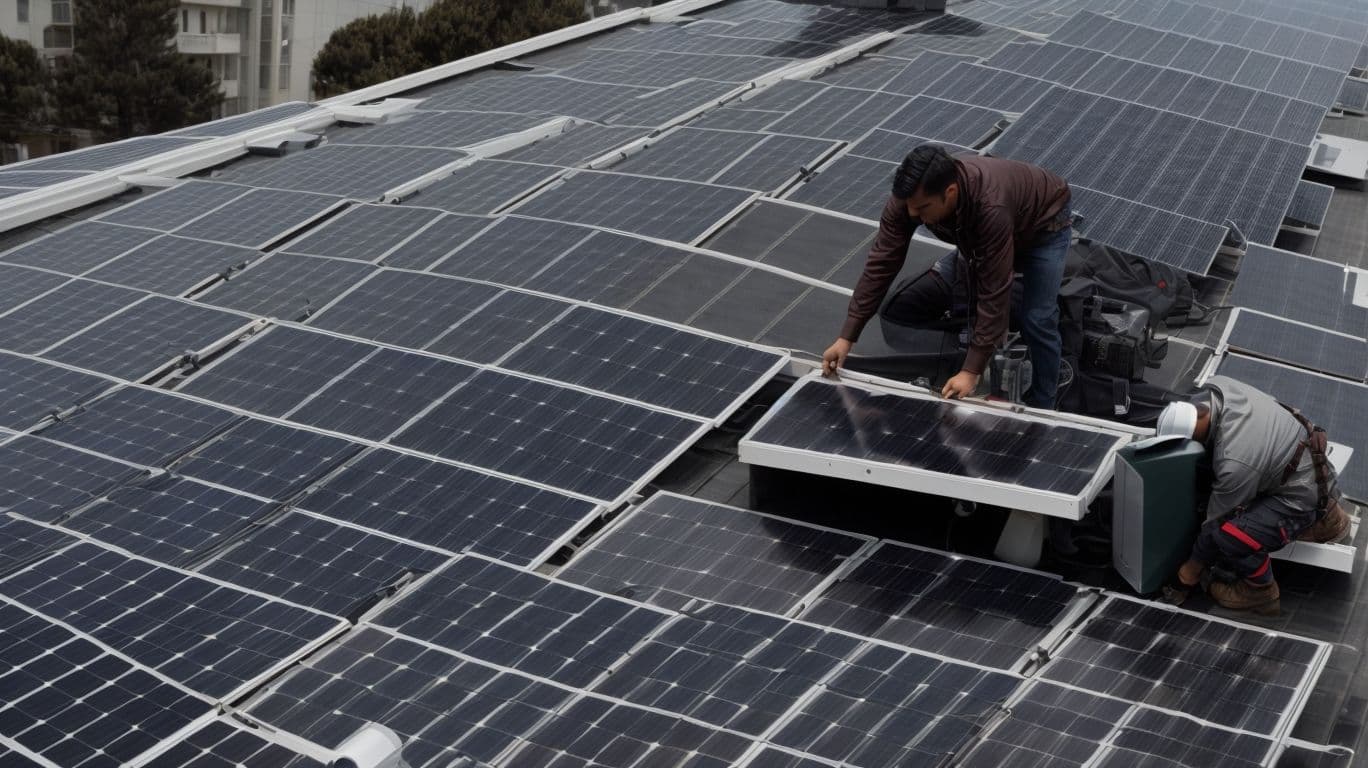
Ensuring the safe and secure installation of roof-mounted solar panel supports involves engaging certified installers with proper training and expertise. The use of safety harnesses, adherence to safety standards, and rigorous quality control measures are essential to maintain a high level of safety. Proper installation begins with a thorough assessment of the roof's structure to determine the best placement for the solar panels. Certified installers will carefully measure and plan the layout, ensuring the supports are secure and the panels are positioned correctly. Safety precautions, such as using safety harnesses and following industry safety standards, must be strictly followed throughout the installation process. Regular training for all installers on safety protocols is crucial to prevent accidents and ensure quality workmanship. Compliance with safety regulations not only protects the installers but also guarantees the longevity and efficiency of the solar panel system.Hire a Professional Installer
Engaging a professional installation team for roof-mounted solar panel supports is essential to ensure the proper setup and alignment of the system. Professional installers offer warranty coverage and expertise that guarantee the installation meets safety standards and quality requirements. By opting for professional installation, homeowners can benefit from the peace of mind knowing that the system has been expertly installed, minimizing the risk of potential issues. Professional installers are well-versed in the latest industry standards, ensuring that the solar panel supports are securely fastened and aligned correctly. This precision not only enhances system performance but also contributes to its longevity, maximizing the overall return on investment for the homeowner.Use High-Quality Materials
Utilizing high-quality materials such as reliable fasteners, anchors, and durable components is crucial for the secure installation of roof-mounted solar panel supports. Ensuring compatibility between components and selecting materials with high durability are key considerations. Premium materials play an integral role in the longevity and efficiency of the entire solar panel system. By investing in top-notch fasteners and anchors, you not only ensure the structural integrity of the installation but also enhance the system's resistance to external factors like strong winds and harsh weather conditions. The durability of these materials directly impacts the overall performance and safety of the solar panels. High-quality components reduce the risk of system failure, prolonging the lifespan of your solar energy setup.Perform Regular Maintenance and Inspections
Regular maintenance and inspections of roof-mounted solar panel supports are essential to ensure their ongoing stability and performance. Following a comprehensive maintenance schedule and utilizing an inspection checklist help identify potential issues early and prevent system failures. By conducting routine maintenance, you can address minor concerns before they escalate into costly problems, ensuring that your solar panel system operates efficiently. A structured maintenance schedule also aids in maximizing the system's lifespan and optimizing its energy output. Adhering to an inspection checklist allows for thorough assessments of critical components, such as the support structures, wiring, and connections, safeguarding against sudden malfunctions or failures. Proactive maintenance not only enhances the overall performance of your solar panel system but also minimizes the risk of unexpected downtime and repair expenses.What Are the Additional Safety Measures to Consider for Roof-Mounted Solar Panel Supports?
In addition to standard safety practices, extra safety measures for roof-mounted solar panel supports include implementing monitoring systems for performance tracking and establishing emergency procedures for rapid response in case of system malfunctions or adverse events. Regularly inspecting the structural integrity of the roof and mounting hardware is crucial to prevent potential hazards. Ensuring that all electrical components are properly grounded and protected from water ingress can minimize electrical risks. Incorporating overcurrent protection devices and surge suppressors further enhances system safety. Periodic maintenance checks and cleaning to remove debris and dust buildup can help maintain optimal performance and prolong the lifespan of the solar panel system.Proper Grounding and Bonding
Ensuring proper grounding and bonding in roof-mounted solar panel installations is crucial for electrical safety, system efficiency, and energy optimization. Secure electrical connections and efficient grounding mechanisms are essential for maintaining a reliable and efficient solar energy system. Grounding and bonding procedures serve as the backbone of a solar panel system, providing a safe pathway for electrical currents to flow and reducing the risk of electrical hazards. By establishing a solid connection to the ground, these practices help mitigate the potential for surges or faults, safeguarding both the system itself and the surrounding environment. Proper grounding enhances system efficiency by ensuring consistent performance and reducing the likelihood of electrical interference. This, in turn, translates to improved energy production and overall performance of the solar array.Fire Safety Precautions
Implementing adequate fire safety precautions in roof-mounted solar panel systems is essential to mitigate fire hazards and protect the property and occupants.- By ensuring proper installation, regular maintenance, and monitoring of electrical components, the risk of fire incidents can be significantly reduced.
- Utilizing flame-retardant materials, implementing thermal monitoring systems, and conducting routine inspections are crucial steps in preventing potential dangers.