Assessing Your Roof's Load-Bearing Capacity for Solar Panels
April 16, 2024

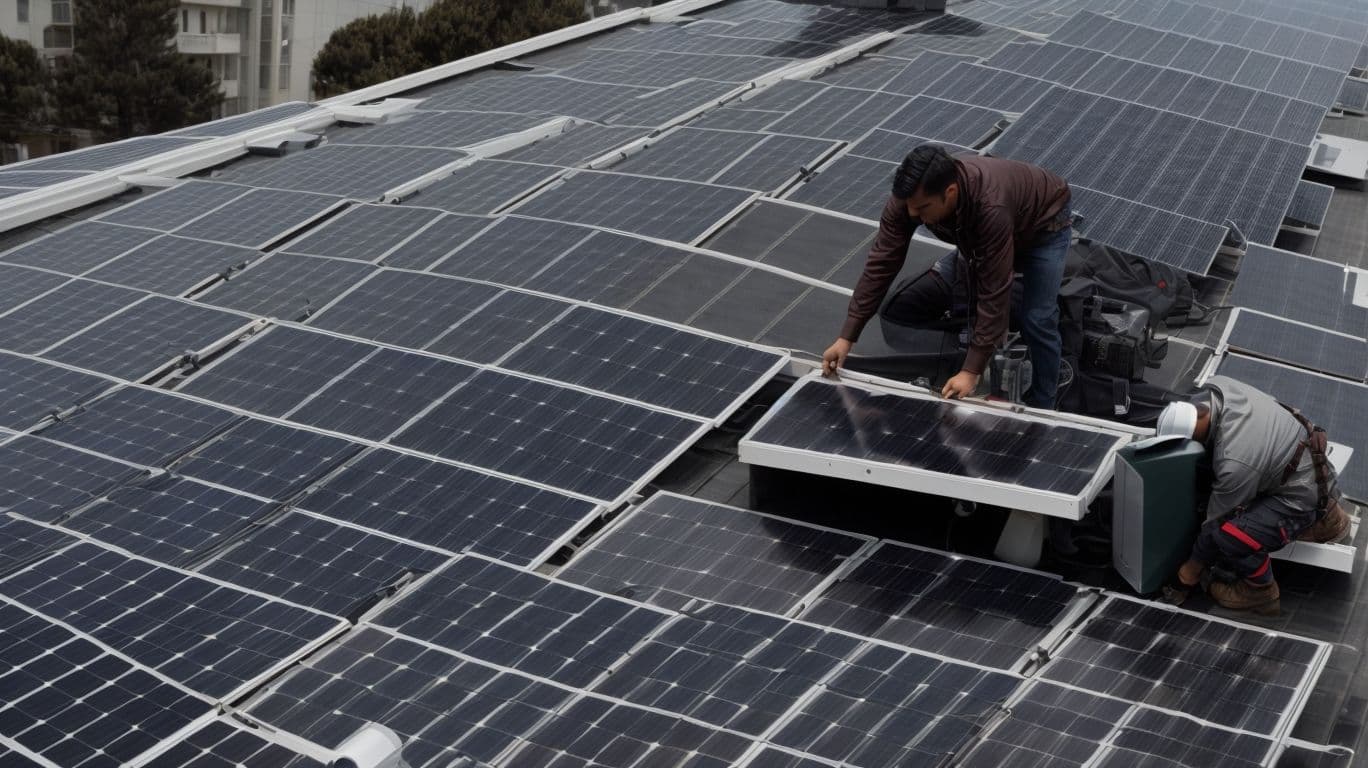
Considering installing solar panels on your roof? It is crucial to first assess your roof's load-bearing capacity to ensure it can support the additional weight.
We discuss why assessing load-bearing capacity is important, the risks of installing solar panels without proper assessment, and how to determine your roof's capacity.
Find out the recommended load-bearing capacity for different types of roofs, factors that can affect capacity, and ways to increase it. Let's dive in and learn more about this important aspect of solar panel installation.
What Is Load-Bearing Capacity?
Load-bearing capacity refers to the maximum weight that a structure, such as a roof, can support without compromising its structural integrity. In the realm of roofing, understanding the load-bearing capacity is crucial for ensuring the safety of the building and its occupants. Engineers determine this capacity through rigorous calculations and testing, taking into account factors like building materials, design specifications, and environmental conditions. A roof's ability to withstand the weight of snow, rainfall, equipment, and foot traffic depends heavily on its load-bearing capacity. Without proper assessment, roofs can be at risk of collapsing under excessive weight, posing severe dangers. Maintaining structural integrity is key to preventing such disasters, making load-bearing capacity an indispensable factor in construction and maintenance projects.Why Is It Important to Assess Your Roof's Load-Bearing Capacity for Solar Panels?
Assessing your roof's load-bearing capacity for solar panels is crucial to ensure that the structure can safely support the additional weight of the panels and maintain its integrity. Evaluating the load-bearing capacity of your roof before installing solar panels is not only about ensuring safety but also plays a significant role in the long-term sustainability of your solar energy system. By carefully assessing how much weight your roof can bear, you can prevent potential structural damage and maintain the efficiency of your solar panels. The impact of adding extra weight must be considered to avoid any risks of roof collapse or structural issues down the line. Prioritizing this evaluation process is essential for a successful and secure solar panel installation.What Are the Risks of Installing Solar Panels Without Proper Assessment?
Installing solar panels without proper assessment of the roof's load-bearing capacity can lead to structural issues, compromised safety, and potential damage to the property. This lack of assessment can result in placing additional stress on the roof structure, leading to potential collapse or severe damage. Without a thorough evaluation, the panels may not be securely attached, posing a safety hazard for individuals and property below. It is crucial to understand that a professional engineering evaluation is essential to determine the roof's ability to support the weight of the solar panels safely. By neglecting this critical step, homeowners risk costly repairs and safety concerns in the future.How to Determine Your Roof's Load-Bearing Capacity?
Calculating your roof's load-bearing capacity involves assessing the weight of the solar panels, considering structural support elements, and potentially reinforcing the roof to meet the required standards.- To start, the weight of the solar panels must be determined accurately. Each panel has a specific weight, and this needs to be multiplied by the number of panels to calculate the total load they will impose on the roof.
- Next, evaluate the existing structural support elements of the roof. This involves examining the type of roof, its framing, and any additional support mechanisms in place. If the initial assessment indicates that the roof may not be able to bear the load, structural reinforcement might be necessary. Consult with a structural engineer to assess the feasibility of reinforcing the roof and ensuring it can safely support the solar panels.
Calculate the Weight of Your Solar Panels
- The first step in determining your roof's load-bearing capacity is to calculate the total weight of the solar panels that will be installed on the structure.
Determine Your Roof's Slope
Evaluating your roof's slope, pitch, and orientation is essential in understanding how the solar panels will be positioned and the impact on load distribution. The slope of your roof plays a crucial role in determining the efficiency of your solar panel system. Different pitch angles influence the amount of sunlight your panels will receive throughout the day, affecting energy production. The orientation of the panels relative to the sun's path should be optimized for maximum exposure. It is also important to consider how the roof angle impacts the structural integrity and load-bearing capacity of the roof, ensuring that it can support the weight of the solar panels over time.Find Out Your Roof's Material and Condition
Assessing the material and condition of your roof is crucial for determining its load-bearing capacity and identifying any structural weaknesses that may affect solar panel installation. Evaluating your roof's material and condition can help you anticipate potential maintenance needs and prevent costly repairs down the line. Regular inspection of your roof allows you to address minor issues before they escalate into major problems, safeguarding against leaks and water damage. By maintaining a healthy roof, you not only protect your property but also ensure that it can support the weight of any additional installations like satellite dishes or HVAC units. This proactive approach to roof maintenance can ultimately prolong its lifespan and enhance the overall safety of your home.Consider the Additional Weight of Snow and Wind Load
In addition to the weight of solar panels, it is essential to account for potential snow and wind loads on the roof to ensure structural stability and integrity. These weather conditions can exert significant force on a roof, especially during winter months or in areas prone to strong winds. Failing to consider snow accumulation and wind pressures when evaluating load-bearing capacity can lead to structural failure, compromising the safety of the building and its occupants. Roof performance is directly impacted by these loads, making it crucial for engineers and architects to factor them into their designs and assessments. By incorporating snow and wind load calculations, structures can be better equipped to withstand the forces of nature and remain resilient over time.What Is the Recommended Load-Bearing Capacity for Solar Panels?
The recommended load-bearing capacity for solar panels varies depending on the type of roof and the installation method, with engineering guidelines dictating the appropriate structural support.- Factors influencing this capacity include the roof's material, age, pitch, and condition. For example, a flat roof typically requires more robust support compared to a pitched roof due to the potential for water pooling.
- Installation requirements such as the spacing and layout of mounting points also play a crucial role in determining the load-bearing capacity. Compliance with engineering standards ensures that the solar panels are securely attached and do not compromise the structural integrity of the roof.
Flat Roofs
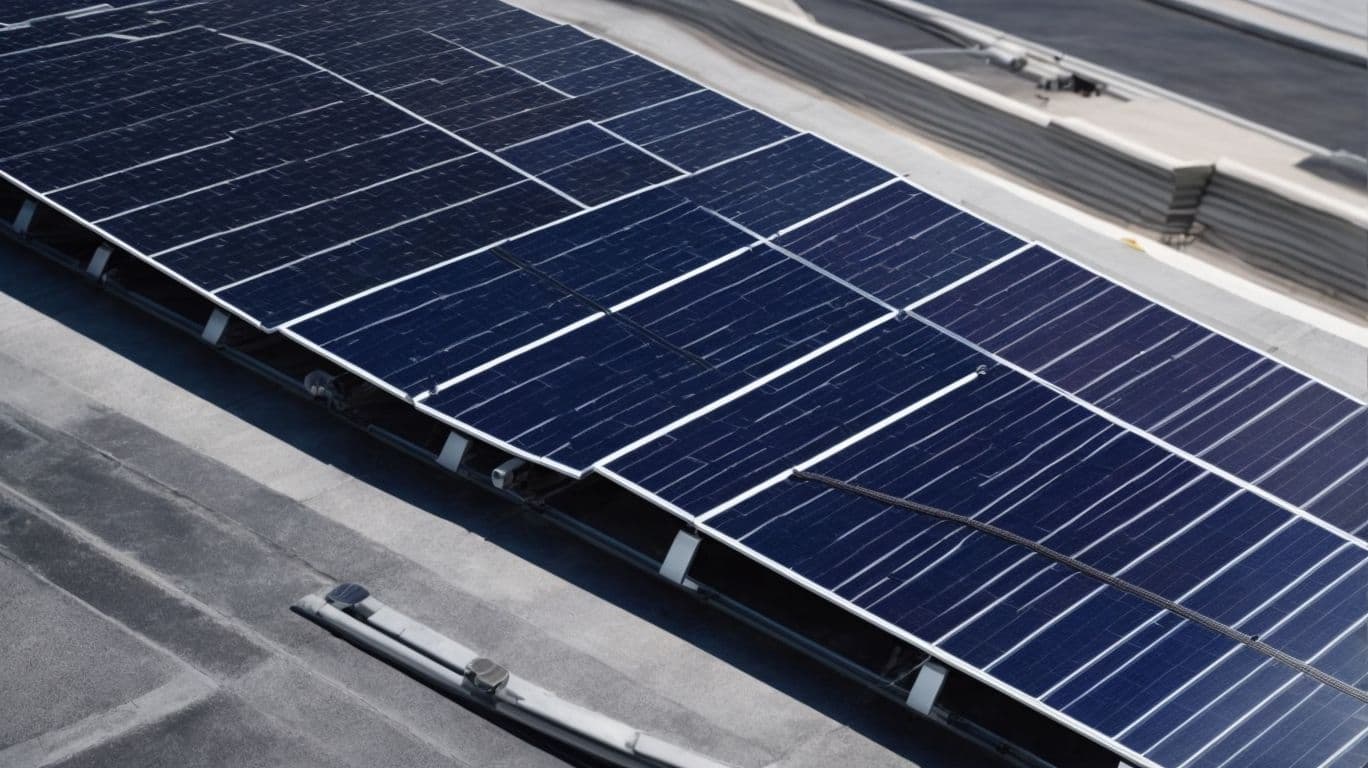
For flat roofs, the recommended load-bearing capacity for solar panels typically involves direct assessment of the roof structure's ability to support the added weight. This assessment is crucial in ensuring the safety and long-term durability of the roof system post-solar panel installation. Engineers often conduct detailed evaluations to determine if any reinforcements or modifications are necessary to accommodate the additional load. Factors such as the type of roofing material, underlying support structure, and local building codes play a significant role in the decision-making process. Specific considerations for flat roof designs, such as potential drainage issues and wind uplift forces, must be addressed to guarantee the structural integrity of the entire system.Pitched Roofs
Pitched roofs require careful load-bearing capacity evaluation to ensure that the solar panels can be securely installed without compromising the structural integrity of the roof. This evaluation involves a detailed examination of factors such as roof slope, material strength, and the weight distribution of the solar panels. Engineering assessments play a crucial role in determining the maximum load the roof can support and the appropriate placement of the panels. Challenges may arise during installation, especially in older roofs or those with existing structural issues. Reinforcements, such as additional framing or modifications, might be necessary to provide adequate support for the solar panel system. It's essential to prioritize safety and durability when planning the installation of solar panels on pitched roofs to ensure longevity and efficiency.What Are the Factors That Can Affect Your Roof's Load-Bearing Capacity?
Several factors can influence your roof's load-bearing capacity, including the age and condition of the roof, the type of material used, and the prevailing climate and weather conditions. The age of a roof plays a significant role in determining its ability to withstand heavy loads. As roofs age, they may experience wear and tear, which can weaken their structural integrity. The material used in constructing the roof is crucial; for instance, metal roofs tend to have higher load-bearing capacities compared to asphalt shingle roofs. Climatic influences, such as extreme temperatures or heavy rainfall, can further impact a roof's ability to bear weight, making regular load assessments essential for ensuring safety and longevity.Age and Condition of Your Roof
The age and condition of your roof are critical factors in determining its load-bearing capacity for solar panels, with regular maintenance and inspections essential for structural integrity. Proactive measures such as routine roof inspections can help in identifying any signs of wear and tear that could compromise the structural stability of the roof. By addressing these issues promptly, homeowners can prevent potential hazards and ensure that their roof can support the added weight of solar panels. Neglecting maintenance can lead to gradual deterioration of the roof, reducing its load-bearing capacity over time and potentially causing safety risks. It is important to stay ahead of any structural problems by investing in timely repairs and regular upkeep to extend the lifespan of the roof.Roof Material
The type of material used in your roof construction plays a significant role in determining its load-bearing capacity for supporting solar panels, with different materials offering varying levels of strength and durability.- For instance, metal roofs are known for their exceptional strength, making them suitable for heavy panel installations. On the other hand, asphalt shingle roofs may require additional structural reinforcement due to their lighter weight-bearing capacity.
- Factors such as roof pitch and truss design also influence the choice of roofing material for solar panel setups. Engineers often consider factors like wind uplift resistance and thermal performance when assessing the suitability of materials such as concrete tiles or clay tiles for supporting solar panels.
- Understanding these engineering considerations helps homeowners make informed decisions about their roof material selection for solar integration.