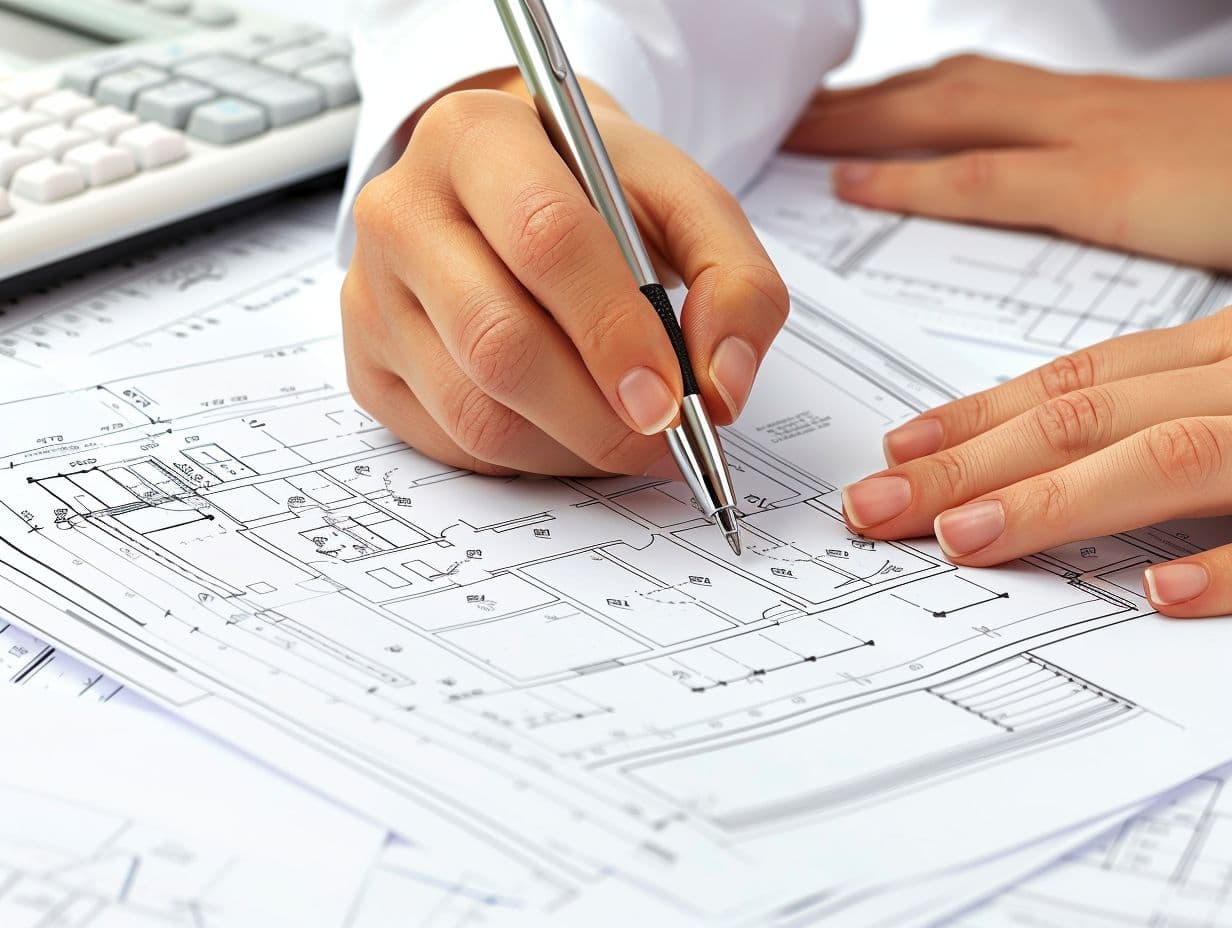
Budgeting for Structural Changes in Your Home Remodel
May 8, 2024

When it comes to remodeling your home, making structural changes is often an essential part of the process. These changes can significantly impact both the budget and the overall success of your project. Understanding the importance of budgeting for structural changes and knowing how to effectively plan for them is crucial for a smooth and cost-effective home remodel.
In this comprehensive guide, we will delve into the key aspects of budgeting for structural changes in your home remodel. From assessing your home's current structural condition to determining the scope of your project and researching the cost of materials and labor, we will provide you with practical insights and actionable steps to create a well-informed budget.
We'll explore the common structural changes that homeowners often consider during a remodel, such as removing or adding walls, changing room layouts, adding a second story or extension, and addressing load-bearing walls. Understanding these common changes will enable you to anticipate the potential costs and plan your budget accordingly.
We'll discuss strategies to save money on structural changes, including considering alternative materials, DIY options, obtaining multiple quotes from contractors, and planning ahead to avoid costly change orders. By implementing these cost-saving techniques, you can ensure that your budget remains within your desired parameters.
We'll highlight the potential risks of not budgeting for structural changes, emphasizing the importance of thorough planning and budget allocation. By the end of this article, you will have a comprehensive understanding of the significance of budgeting for structural changes in your home remodel and be equipped with the knowledge to navigate this crucial aspect of the remodeling process effectively.
What Are Structural Changes in a Home Remodel?
Structural changes in a home remodel involve altering the layout and design of the existing building to improve its functionality, aesthetics, and overall value. While the addition of new rooms or the reconfiguration of existing ones can enhance the functionality and flow within the home, it also significantly impacts the overall design and aesthetic appeal of the property. By opening up spaces, creating larger windows, or altering room layouts, a home can feel more spacious and inviting. These changes also contribute to increasing the property's value, making it more appealing to potential buyers or tenants in the future.Why Do You Need to Budget for Structural Changes?
Budgeting for structural changes is essential in a home remodel to ensure that the costs, expenses, and any budget constraints are carefully managed and accounted for. This careful management ensures that the renovation costs are effectively monitored, preventing overspending and potential financial strain. Effective expense management allows homeowners to make informed decisions about where to allocate funds, prioritize essential improvements, and avoid unnecessary splurges. By planning and adhering to a well-structured budget, individuals can achieve their renovation goals without compromising their financial stability. Acknowledging the significance of budgeting for structural changes can also lead to a more seamless and efficient remodeling process.How to Create a Budget for Structural Changes in Your Home Remodel?
Creating a budget for structural changes in your home remodel involves comprehensive cost estimation, effective budget management, and aligning the budget with the project scope and renovation goals. One of the primary steps in creating a budget for structural changes is to conduct a thorough assessment of the renovation requirements. This entails evaluating the extent of structural modifications needed, materials to be used, and labor costs. Utilizing industry-standard cost estimation methods such as bottom-up estimating or parametric estimating can help in accurately forecasting the expenses. Once the costs are estimated, it is crucial to implement budget management strategies, such as setting aside contingency funds to cover unforeseen expenses. Aligning the budget with the project scope ensures that the financial plan remains realistic and in line with the desired outcomes of the renovation.Assess Your Home's Current Structural Condition
Before embarking on structural changes, it is crucial to assess your home's current structural condition to identify areas that require renovation or improvement. This assessment process involves a thorough examination of the foundation, walls, roof, and other essential structural components. By evaluating the existing condition, homeowners can pinpoint any issues such as cracks, water damage, or weakened support that may compromise the overall integrity of the home. Identifying these areas for improvement early on is essential in creating a well-informed renovation plan, ensuring that the necessary changes are tailored to address the specific needs of the home.Determine the Scope of Your Project
Defining the scope of your project is vital when planning for structural changes in your home remodel, as it sets clear renovation goals and outlines the extent of the required changes. This involves considering aspects such as the specific areas of your home that will be renovated, the desired functionality and aesthetics, and the budget constraints. By clearly defining the scope, you can ensure that all stakeholders are aligned on the objectives and deliverables. It enables you to establish a realistic timeline and allocate resources efficiently. Emphasizing the project scope also aids in identifying potential challenges and mitigating risks, ultimately contributing to a successful and well-executed home renovation.Research the Cost of Materials and Labor
Researching the cost of materials and labor is a crucial step in budgeting for structural changes, as it helps in estimating the expenses associated with the remodel. Understanding the prevailing market rates for materials and the skilled labor required can prevent unexpected budget overruns. It allows homeowners to make informed decisions about where to allocate their resources and where potential cost-saving opportunities may lie. Incorporating detailed cost estimation not only helps in setting a realistic budget but also ensures that the renovation stays on track without compromising the quality of the project.Factor in Additional Costs and Contingencies
Incorporating additional costs and contingencies into your budget for structural changes is essential to prepare for unexpected expenses and project delays that may arise during the remodel. These unforeseen costs could include foundation issues, unexpected material price increases, or permit delays. By factoring in contingencies, you can mitigate the impact of these unforeseen circumstances on your budget and timeline. Contingency planning ensures that you are prepared to address any unexpected challenges that may arise, allowing for a smoother and more controlled renovation process. It's crucial to maintain flexibility and allocate resources for potential situations that may require additional funds, ultimately contributing to more effective cost control and successful project management."What Are the Common Structural Changes in a Home Remodel?
Common structural changes in a home remodel include:- Optimizing space
- Enhancing energy efficiency
- Ensuring the structural integrity of the property