Financing Your Skyward Dreams: A Comprehensive Guide to Second Story Addition Loans
April 24, 2024

Are you considering adding a second story to your home but unsure about how to finance such a project? Look no further!
In this comprehensive guide, we will explore everything you need to know about second story addition loans. We will discuss the benefits and drawbacks of adding a second story to your home, as well as the various financing options available.
If you're ready to elevate your living space, keep reading to find out how to make your skyward dreams a reality.
What is a Second Story Addition?
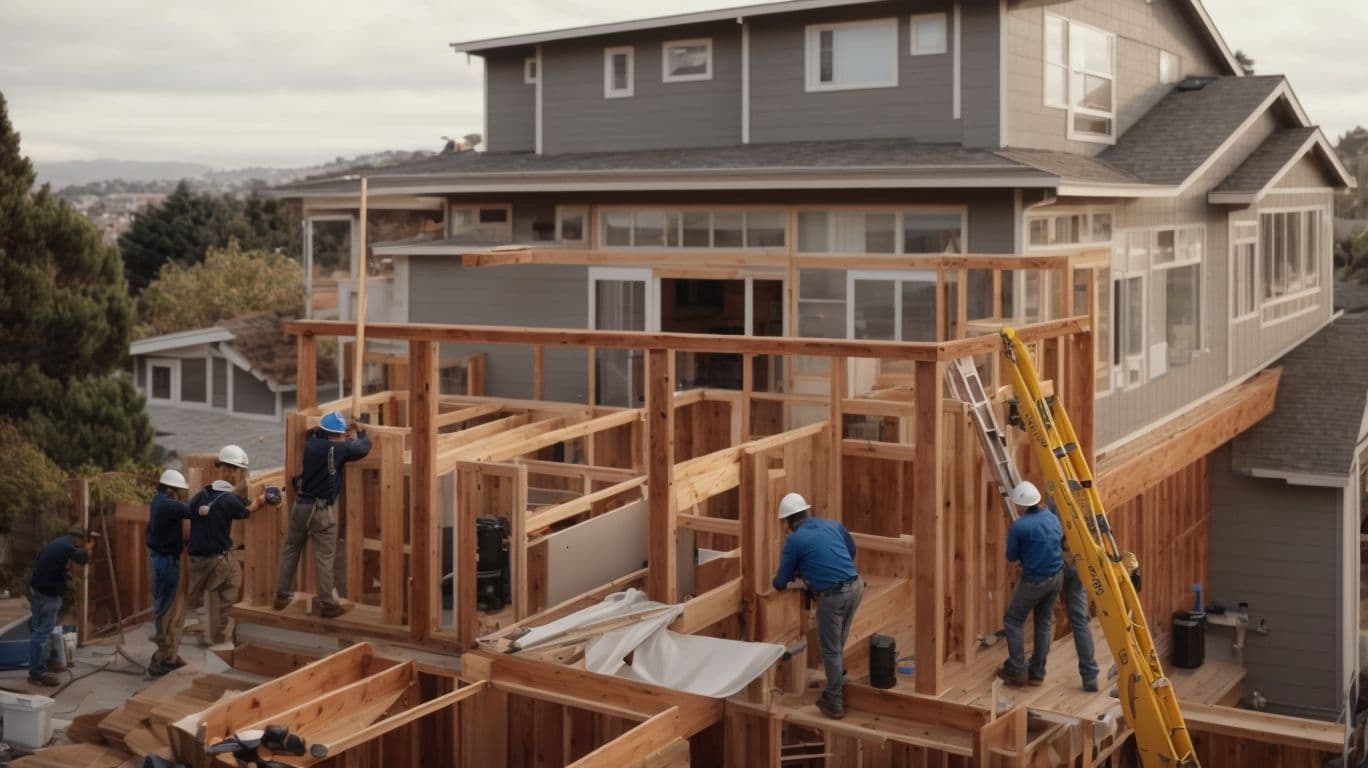
A Second Story Addition refers to the construction of a new level on top of an existing single-story structure. This process is a popular choice among homeowners looking to increase their living space without sacrificing yard space. The purpose of a Second Story Addition is to maximize property value and functionality by adding more rooms or living areas. One of the main advantages of this type of construction is that it allows for significant expansion without having to move or disrupt the existing layout of the home. The process typically involves structural assessments, architectural design, obtaining permits, and skilled construction work to ensure a seamless integration of the new level with the existing structure.Why Consider a Second Story Addition?
Considering a Second Story Addition can significantly increase your living space and property value. By opting for a Second Story Addition, homeowners open up the opportunity to create extra bedrooms, bathrooms, or even home offices, providing a solution to their growing space needs without having to move to a new house. Adding a second story to your home can boost its overall value, making it a wise investment in your property's future. This type of renovation allows for personalized customization to reflect your unique style and preferences, giving you the chance to tailor your living space exactly to your liking.What are the Benefits of a Second Story Addition?
A Second Story Addition offers various benefits such as expanded living space, increased property value, enhanced home improvement opportunities, and the potential for future value appreciation. By adding a second story to your home, you not only gain extra room for a growing family or for customized spaces like a home office or a leisure room, but you also effectively utilize your existing land space without expanding your property's footprint. This space enhancement allows for more privacy, quieter bedrooms separate from the main living areas, and a better view from an elevated position. Second story additions can be a more cost-effective option compared to purchasing a new property, making it a financially savvy choice for homeowners looking to maximize their home equity. Renovations to the second level can modernize the entire home, offering endless design possibilities to reflect your personal style. These upgrades not only enhance your daily living experience but also contribute to the long-term investment returns by keeping your property competitive in the evolving real estate market trends.What are the Potential Drawbacks of a Second Story Addition?
Despite the benefits, Second Story Additions come with potential drawbacks like increased construction costs, budgeting challenges, and inherent risks associated with structural modifications. These drawbacks often result in financial risks for homeowners, as unexpected expenses can easily push the project over budget. Managing finances becomes crucial during a remodeling project of this scale, requiring careful budget management and cost estimation. The construction complexities involved in adding a second story can lead to delays and additional costs if not properly dealt with. Planning ahead and seeking professional guidance are essential to navigate through these challenges and ensure a successful renovation within the allocated budget.How to Plan for a Second Story Addition?
Planning for a Second Story Addition involves considering factors such as zoning regulations, architectural plans, structural integrity assessments, and construction costs.- Zoning regulations play a crucial role in determining the permissible size, height, and setback requirements for the new addition. It is essential to obtain the necessary permits from local authorities to ensure compliance with building codes.
- Architectural plans need to align with the existing structure and neighborhood aesthetics while incorporating the client's vision. Structural considerations involve assessing the foundation's capacity to support the additional load and ensuring proper reinforcement.
- Cost estimation should factor in materials, labor, and unforeseen expenses to create a realistic budget for the project.
What Factors to Consider Before Starting a Second Story Addition?
Before initiating a Second Story Addition, homeowners should assess factors like obtaining a building permit, ensuring structural integrity, establishing a payment schedule, and securing contractor bids. One of the key considerations when it comes to building permits is understanding the local regulations and requirements for adding a second story to your home. It is essential to research the specific permit process in your area, including any zoning restrictions or design guidelines that may apply. Conducting a thorough structural assessment of your existing home is crucial to ensure that it can support the added weight and modifications of a second story. When planning the payment schedule, homeowners should consider milestone payments tied to project milestones for effective budget management.What are the Steps to Planning a Second Story Addition?
- Planning a Second Story Addition involves steps like hiring contractors, finalizing loan terms, obtaining insurance coverage, and ensuring compliance with regulatory requirements.