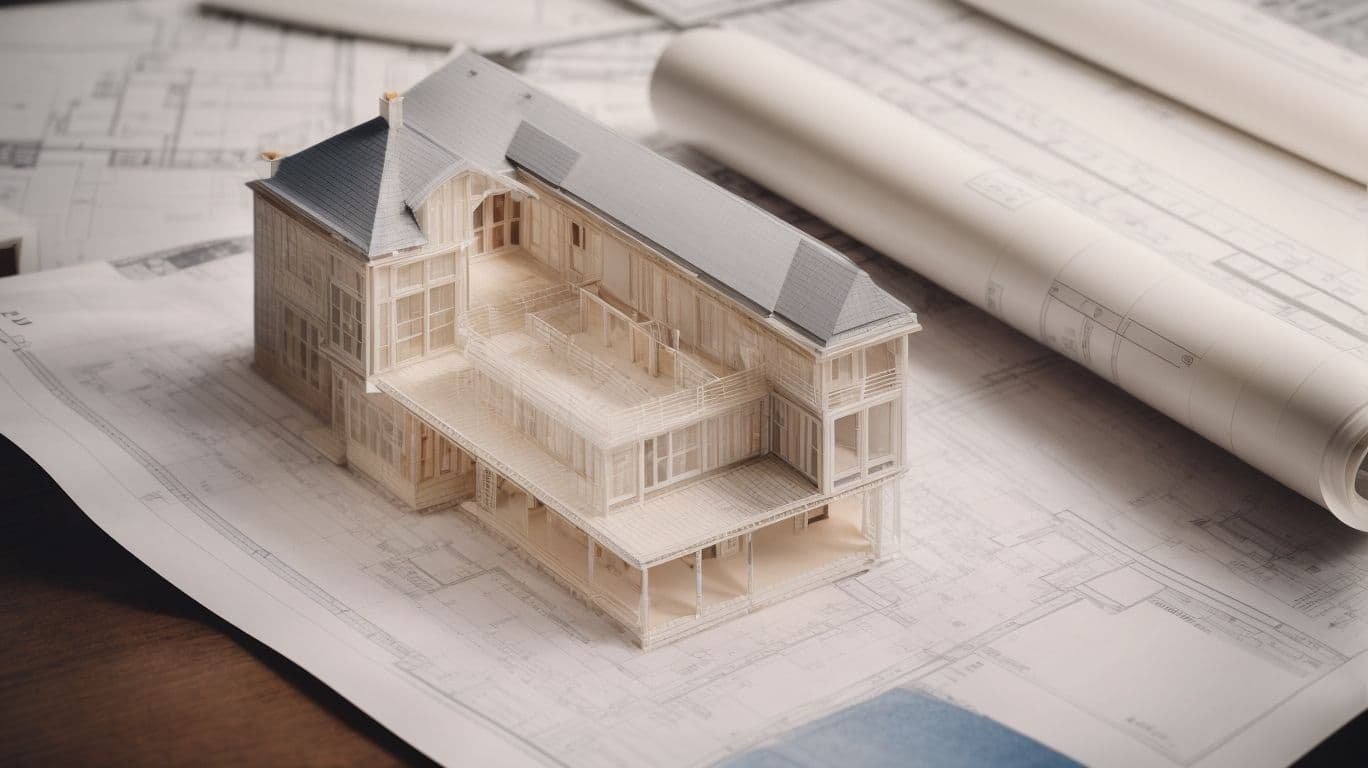
Historic Home Renovation in SF: A Structural Engineering Perspective
May 11, 2024
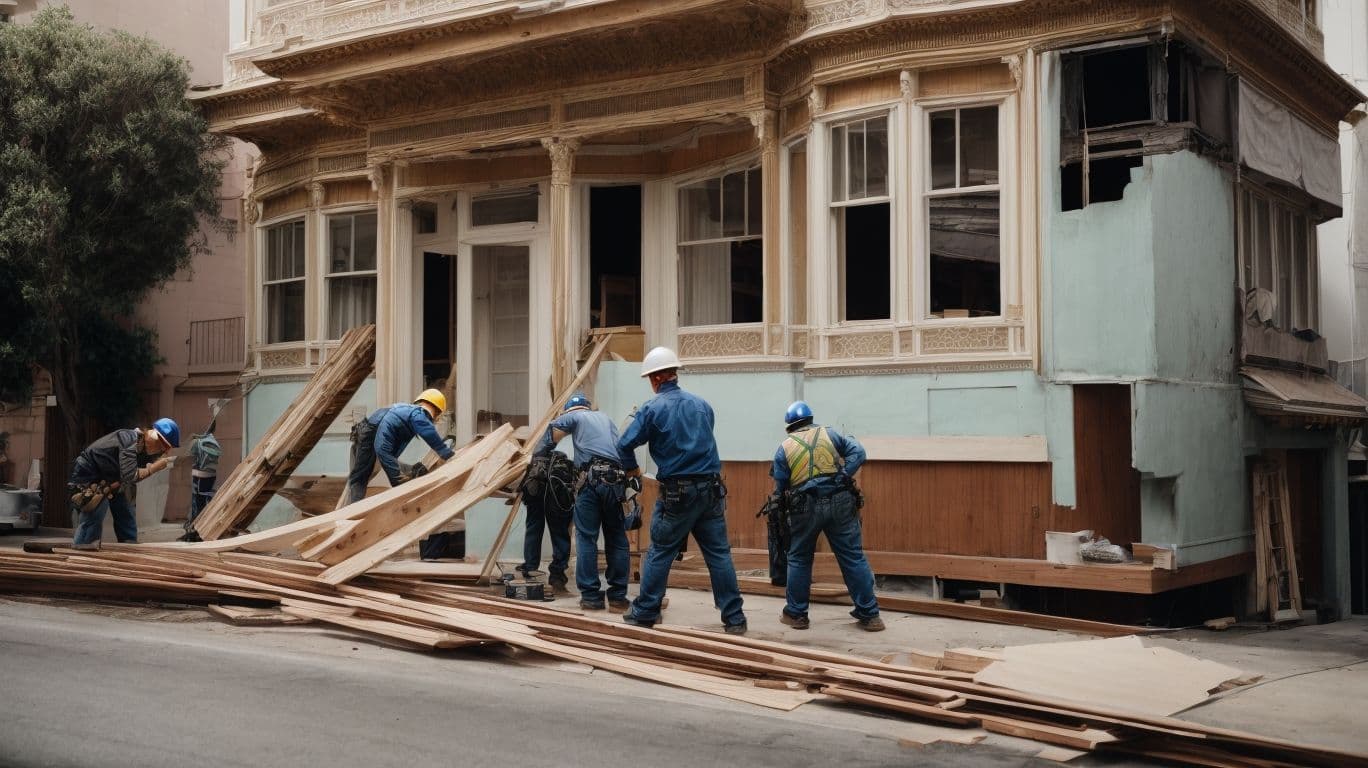
Historic homes in San Francisco are not just architectural treasures but also hold a significant place in the city's history and culture. Renovating these homes poses unique challenges, especially when it comes to preserving their historic character while ensuring structural integrity and safety. As a key player in the renovation process, structural engineering plays a crucial role in understanding, assessing, and preserving the structural components of these homes.
In this article, we will delve into the importance of structural engineering in historic home renovation, focusing on the specific challenges faced in San Francisco. We will explore the materials commonly used in historic homes and their impact on structural integrity, as well as the key factors to consider in assessing the structural condition of these properties.
We will discuss the best practices for maintaining the historic charm of a home during renovation and address the building codes and regulations specific to historic homes in San Francisco. By the end of this article, you will have gained valuable insights into the delicate balance between preservation and modernization in historic home renovation.
Why is Structural Engineering Important in Historic Home Renovation?
Structural engineering plays a pivotal role in the renovation of historic homes, ensuring the preservation of their architectural and historical significance while enhancing their structural integrity and safety. It involves a meticulous approach to incorporate modern techniques without compromising the authenticity of the original structure. By carefully assessing the existing framework and materials, structural engineers can develop innovative solutions to address structural weaknesses and enhance the overall stability of the home. This careful balancing act is crucial in preserving the charm and character of historic properties while ensuring they meet contemporary safety standards. The expertise of structural engineers is instrumental in safeguarding these valuable pieces of architectural history for future generations to appreciate.What are the Challenges of Renovating Historic Homes in San Francisco?
Renovating historic homes in San Francisco presents unique challenges due to the city's stringent preservation standards, seismic retrofit requirements, and adherence to historical building codes. Preservation standards in San Francisco are particularly strict due to the city's rich architectural heritage and the desire to maintain the historical character of its neighborhoods. Seismic retrofit requirements pose significant technical and financial challenges, as these homes need to be made earthquake-resistant without compromising their original design. Compliance with historical building codes necessitates meticulous attention to detail to ensure that renovations are in line with the city's heritage conservation efforts, preserving the unique charm and cultural significance of these historic properties.Understanding the Structural Components of Historic Homes
Understanding the structural components of historic homes involves a comprehensive assessment of their architectural features, building materials, and construction methods, integrating the principles of structural engineering and preservation. These homes often showcase exquisite craftsmanship in their intricate woodwork, ornate moldings, and decorative trim. The building materials, which could be locally sourced stone or timber, reflect the regional resources and natural elements. The construction methods often highlight the use of traditional techniques such as timber framing, post-and-beam construction, and intricate joinery, emphasizing the historical significance and character of these structures.What are the Common Materials Used in Historic Homes in San Francisco?
Historic homes in San Francisco often feature unique building materials such as redwood, Victorian-era bricks, and ornate plasterwork, requiring specialized conservation techniques to maintain their historical authenticity. These historic materials are not only visually stunning but also hold immense historical and cultural significance. Conservation engineering plays a vital role in preserving the charm and character of these materials, ensuring they withstand the test of time. Redwood, known for its durability and rich color, has been a staple in San Francisco's architecture and requires meticulous care to prevent decay and maintain its natural beauty. Similarly, the intricate plasterwork and Victorian-era bricks showcase the craftsmanship of a bygone era, and it's essential to employ conservation methods to safeguard these exquisite features for future generations to appreciate.How Do These Materials Affect the Structural Integrity of the Home?
The materials utilized in historic homes significantly influence their structural integrity, necessitating specialized conservation methods and a thorough understanding of their impact on the overall construction and architectural elements. These specialized conservation methods are crucial for preserving the authenticity and cultural significance of historic homes. Understanding the construction methods and the properties of materials such as timber, masonry, and plaster is essential for preventing deterioration and ensuring longevity. Preservation efforts often involve meticulous restoration work to maintain the original aesthetic and historical value, while also addressing any structural vulnerabilities caused by aging and environmental factors. A comprehensive approach to conservation considers not only the visible elements but also the unseen structural components that contribute to the overall stability of historic homes.Assessing the Structural Condition of a Historic Home
Assessing the structural condition of a historic home involves a meticulous examination of its foundation, seismic vulnerabilities, and the integrity of key structural components, necessitating specialized expertise in structural engineering and historical preservation. This process typically begins with a thorough inspection of the foundation, seeking signs of settling, cracks, or deterioration. As seismic vulnerabilities are a common concern in historic homes, experts meticulously evaluate the existing structure's ability to withstand potential earthquakes and recommend seismic retrofit techniques if necessary. A comprehensive structural analysis is conducted to identify any weaknesses or deficiencies in key load-bearing elements, guiding the implementation of targeted repairs or reinforcement strategies to ensure the preservation of the home's historical integrity.What are the Key Factors to Consider in a Structural Assessment?
Key factors to consider in a structural assessment include:- Seismic vulnerabilities
- Potential preservation approaches
- The implementation of structural upgrades to enhance the overall safety and longevity of the historic home
What are the Common Structural Issues Found in Historic Homes?
Common structural issues in historic homes include foundation settlement, inadequate seismic retrofitting, and the need for structural upgrading to meet modern safety standards and historical preservation guidelines. These structural issues often arise due to the age of the building and the materials used in construction. Foundation settlement can lead to uneven floors and cracks in walls, affecting the stability of the entire structure. Inadequate seismic retrofitting leaves historic homes vulnerable to earthquake damage, while the necessity for structural upgrading arises from the need to align older buildings with modern safety standards and heritage building preservation guidelines.Preserving the Historic Character of a Home During Renovation
Preserving the historic character of a home during renovation demands a delicate balance between implementing advanced renovation techniques and honoring the architectural heritage and distinctive features that define its historical significance. This delicate balance presents a unique challenge, as the modern renovation methods must seamlessly integrate with the original design to maintain the authentic historical essence. Preservationists often grapple with finding the right blend of preserving the historical integrity of the property while incorporating sustainable and energy-efficient technologies. Utilizing restoration techniques, such as carefully restoring original fixtures and materials, becomes integral to maintaining the essence of a historic home during renovation.What are the Best Practices for Maintaining the Historic Charm of a Home?
Best practices for maintaining the historic charm of a home include:- The use of authentic materials
- Adherence to historical renovation methods
- The integration of conservation techniques to uphold the property's cultural and architectural significance