Navigating the Costs of Adding a Second Story in the Bay Area: Budgeting, Saving, and Planning
April 10, 2024
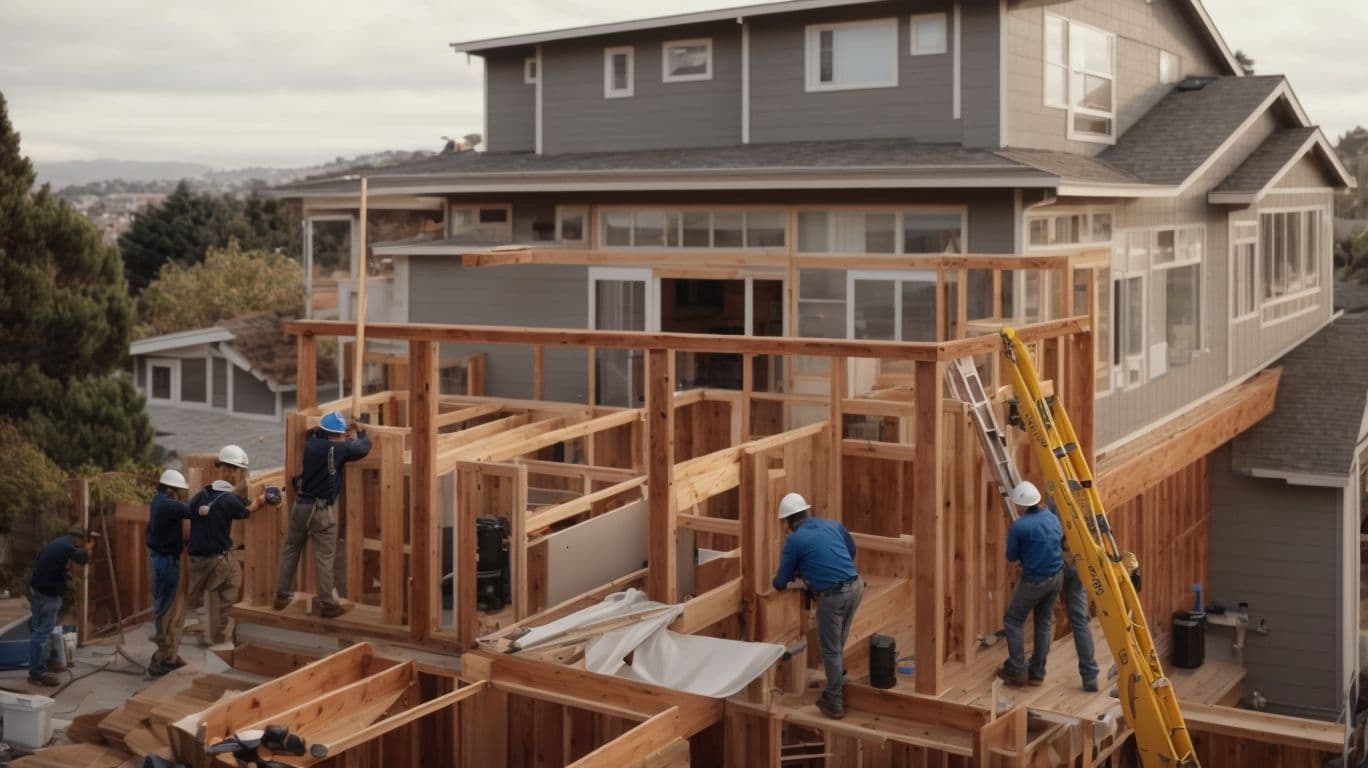
Are you considering adding a second story to your home in the Bay Area? If so, you may be wondering about the average cost, key expenses, and how to budget for such a project.
From legal requirements and design considerations to the pros and cons of adding a second story, there are many factors to consider.
In this article, we will explore the cost of adding a second story in the Bay Area, as well as tips for saving money and successfully navigating the process. Let's dive in!
What Is the Average Cost of Adding a Second Story in the Bay Area?
When considering the average cost of adding a second story in the Bay Area, it's essential to account for various factors that can significantly impact the total expenses.- Material costs in the region tend to be higher due to the demand for quality and sustainable building materials that align with the area's eco-friendly ethos.
- Labor costs are also influenced by the competitive construction market in the Bay Area, where skilled workers are in high demand.
- Architectural design plays a crucial role in costs, as intricate and innovative designs that comply with local regulations and seismic requirements can add to the overall budget.
What Factors Affect the Cost of Adding a Second Story?
Several key factors influence the cost of adding a second story in the Bay Area, including material costs, labor expenses, architectural design complexity, and the overall housing market conditions. The quality of materials chosen for the construction can significantly impact the budget, with premium options leading to higher costs but potentially offering more durability and aesthetic appeal. Availability of skilled labor in the region also plays a crucial role, as a shortage can lead to increased labor expenses. The intricacy of the architectural design, such as custom features or structural modifications, can add to the overall project cost. Market dynamics, such as fluctuations in demand for housing and construction supplies, can further influence budget estimates for second-story additions.How Can You Budget for Adding a Second Story in the Bay Area?
Creating a comprehensive budget for adding a second story in the Bay Area requires meticulous financial planning and accurate cost estimation to ensure the project stays within the set budget. One essential budgeting strategy is to allocate funds wisely by prioritizing critical aspects of the project such as structural enhancements, materials, labor costs, permits, and unexpected expenses. It is crucial to conduct thorough research to determine the average costs associated with second-story additions in the Bay Area, considering factors like permits, architectural designs, and contractor fees. Establishing a contingency fund is vital to address any unforeseen circumstances that may arise during the project. By monitoring expenses closely and adjusting the budget as needed, homeowners can achieve a successful and cost-effective second-story addition.What Are the Key Expenses to Consider?
When budgeting for a second-story addition in the Bay Area, it's crucial to consider key expenses such as material costs, labor charges, furniture, fixtures, and appliances that contribute to the overall project budget.- Material costs for a second-story addition often include structural materials like wood or steel, as well as finishing materials such as flooring and paint.
- Labor charges encompass the wages of carpenters, electricians, plumbers, and other professionals involved in the construction process.
How Can You Save Money on Your Second Story Addition?
Implementing cost-saving strategies is crucial when planning a second-story addition in the Bay Area to stay within budget constraints and optimize financial resources for the construction project. Taking on a second-story addition project can quickly escalate costs, but with careful planning and strategic decision-making, there are several effective methods to save money. One key aspect is selecting cost-efficient materials that offer quality without breaking the bank. Negotiating labor costs can also make a significant impact on overall expenses. By exploring different construction practices that are budget-friendly, such as efficient design layouts and energy-saving features, homeowners can ensure that their second-story addition is completed within financial constraints.What Are the Legal and Zoning Requirements for Adding a Second Story in the Bay Area?
Understanding the legal and zoning requirements for adding a second story in the Bay Area is crucial to ensure compliance with the permitting process and zoning regulations that govern property expansions. When considering a second-story addition, property owners must be aware of the specific zoning restrictions in their area. Zoning laws dictate various aspects such as allowable building height, setback requirements, and the maximum floor area ratio permitted on a property. Obtaining the necessary permits for a second-story addition involves submitting detailed plans to the local building department for review and approval. Compliance with building codes, environmental regulations, and safety standards is essential throughout the construction process to avoid potential legal issues.What Permits Do You Need?
Securing the necessary permits is a critical step when adding a second story in the Bay Area, as adherence to building codes and regulatory requirements is essential for a smooth construction process. These permits are not just documents to be filed away; they represent official approval from local authorities that your project meets safety standards and planning guidelines. Obtaining the required permits ensures that your second-story addition is structurally sound and complies with zoning regulations. It's important to note that failure to acquire the proper permits can result in costly fines, project delays, and even legal complications. Therefore, navigating the permitting process diligently and in accordance with local regulations is crucial for a successful and hassle-free construction experience.Are There Any Restrictions or Limitations?
Zoning regulations and property value considerations may impose certain restrictions or limitations on adding a second story in the Bay Area, necessitating careful planning to navigate potential constraints. Understanding how zoning regulations impact property values can help homeowners anticipate challenges when considering a second-story addition. By aligning architectural plans with local zoning laws and height restrictions, property owners can enhance their chances of gaining approval for their expansion projects. Engaging with professionals familiar with local ordinances and building codes can aid in developing strategies to address zoning restrictions effectively. Conducting a thorough feasibility study to assess property constraints before embarking on a second-story addition can save time and resources in the long run.What Are the Design Considerations for Adding a Second Story?
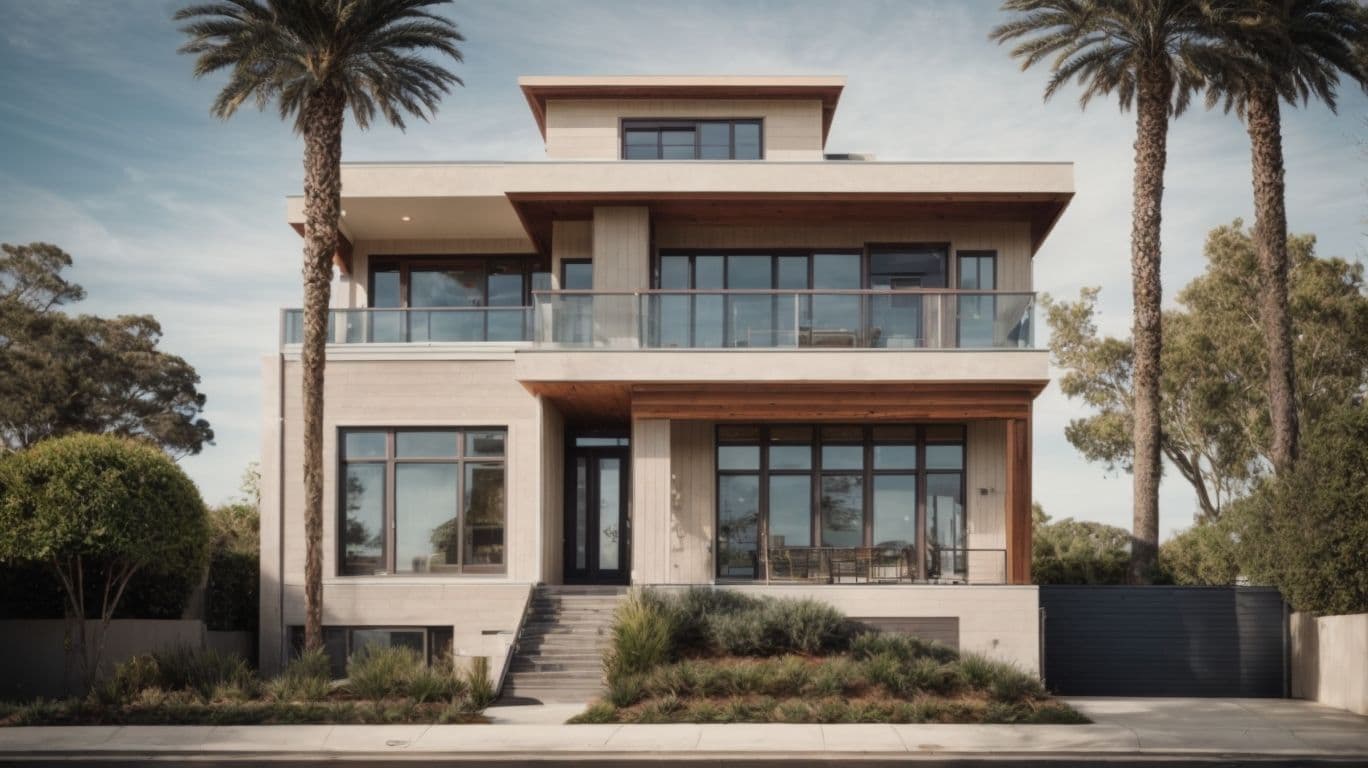
Careful attention to design considerations is paramount when adding a second story in the Bay Area, ensuring a harmonious blend of architectural design and structural integrity for the expanded living space. Architectural aesthetics play a crucial role in transforming a one-story structure into a two-story dwelling. The exterior facade of the addition should complement the existing architectural style and proportions, maintaining a cohesive look. Elements such as windows, rooflines, and materials need to be carefully chosen to create a seamless transition between the old and new sections. Structural soundness is equally vital, with proper reinforcement and support systems in place to ensure the stability and safety of the entire structure. By meticulously planning the design details, homeowners can achieve a successful integration of the second story, enhancing both functionality and visual appeal.What Style and Layout Options Are Available?
Choosing the right style and layout options is crucial when adding a second story in the Bay Area, enabling homeowners to optimize space utilization and create a personalized living environment. By exploring various architectural design choices, homeowners can achieve a seamless integration of the new second story with the existing structure. From modern and minimalist designs to traditional and rustic aesthetics, there are endless customization possibilities to suit different tastes and preferences. Space planning techniques such as open floor layouts, strategic placement of windows for natural light, and innovative storage solutions play a vital role in maximizing functionality and enhancing the overall appeal of the added space. Each design style offers unique opportunities for creating a harmonious and functional living space tailored to the homeowner's vision.How Can You Maximize Space and Functionality?
Maximizing space and functionality is key to successful second-story additions in the Bay Area, where integrating smart design solutions and optimizing structural integrity enhance the overall living experience.- By incorporating space-efficient layouts, such as open floor plans and modular furniture arrangements, one can create a seamless flow within the added space.
- Functional design elements like built-in storage solutions and multipurpose furniture help maximize every square foot.
- Balconies or rooftop decks can provide additional outdoor space while maintaining a compact footprint indoors, combining practicality with aesthetics in your home expansion project.