Choosing the Right Type of Second Story Addition for Your Home
April 26, 2024
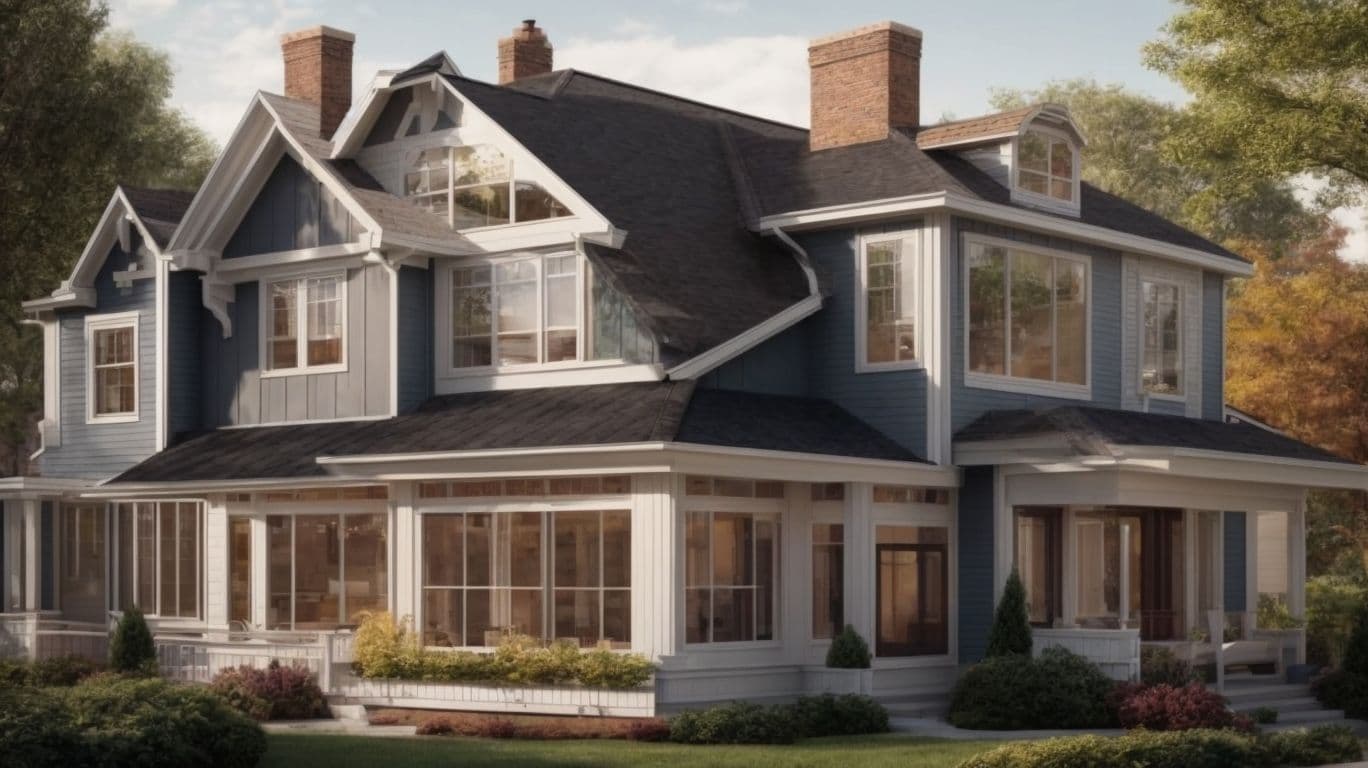
Considering adding a second story to your home but unsure where to start?
Explore the different types of second story additions, reasons to consider this renovation, and factors to consider before making a decision.
From full second story additions to bump-out additions, discuss the pros and cons of each type and provide tips on choosing the right one for your home.
Find the perfect second story addition for your living space!
What is a Second Story Addition?
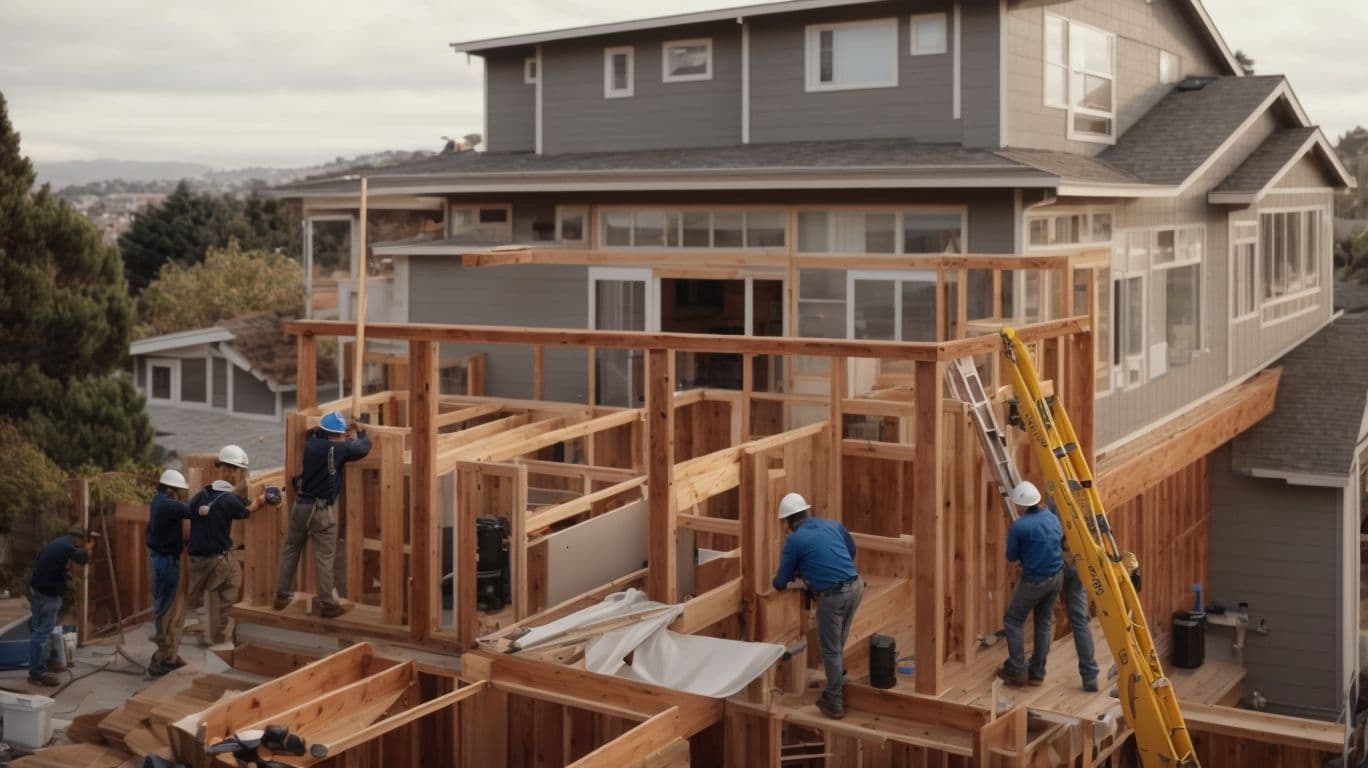
A second story addition involves expanding a home's living space vertically by adding another level above the existing structure, typically requiring detailed architectural design and residential construction expertise. This type of renovation is often pursued by homeowners looking to maximize their property's square footage without sacrificing outdoor space. By building up instead of out, second story additions allow for the preservation of yard space and landscaping. These additions can significantly increase the home's value, providing more rooms for growing families or creating additional income potential through rental units. Architectural considerations such as structural integrity, zoning regulations, and aesthetic cohesion with the existing design are crucial aspects to address when planning a second story addition.Why Consider a Second Story Addition?
Opting for a second story addition can be a strategic choice for homeowners seeking to enhance their living space without the hassle of moving, allowing for efficient space planning and budget-conscious home improvement. By adding a second story to your home, you not only maximize your existing space but also increase the overall value and functionality of your property. With a well-thought-out design, you can create additional bedrooms, bathrooms, or even a home office, catering to your specific needs. This type of home renovation is often a cost-effective solution compared to purchasing a new, larger home, as it minimizes the costs associated with relocating and selling your current property. A crucial aspect of this decision-making process is the importance of creating a realistic budget and working with professionals to ensure efficient space utilization and a successful home transformation.Increase Living Space
Expanding living space through a second story addition presents opportunities for creating dedicated areas such as a luxurious master suite, a cozy family room, or additional bedrooms to cater to evolving family needs. These room additions offer various benefits. A master suite can serve as a private retreat, providing a sanctuary for relaxation and rejuvenation. Family rooms are ideal for gatherings and quality time, enhancing the overall functionality of the home. Additional bedrooms not only accommodate more family members or guests but also increase the property's appeal and resale value. Each space adds its unique touch, contributing to a more comfortable and versatile living environment.Avoid Moving Costs
Choosing a second story addition over relocation can save homeowners substantial moving costs while also preserving the neighborhood aesthetic, enhancing resale potential, and providing a positive return on investment through a thorough ROI analysis. Adding a second story to a home not only avoids the hassle of moving but also allows homeowners to maintain the existing character of their neighborhood. By blending seamlessly into the surrounding architecture, the home can contribute positively to the overall ambiance and appeal of the area. Maximizing resale potential through strategic renovations such as a second story addition can lead to a higher selling price, further increasing the financial benefits. Conducting a comprehensive ROI analysis prior to any renovation project ensures that the investment is well-planned and yields optimal returns in the long run.Increase Property Value
A second story addition can significantly increase the property value by enhancing the home's overall appeal, improving exterior aesthetics, optimizing views and ventilation, and creating a more desirable living environment. The addition of a second story provides the opportunity to transform a house into a spacious and welcoming retreat. By adding extra square footage, homeowners can create more living space or additional bedrooms, meeting the evolving needs of modern families. These enhancements not only improve the functionality of the home but also elevate its market value. A well-designed second story can enhance the curb appeal of the property, offering a stunning visual impact and making it stand out among neighboring houses. The increased airflow and natural light that come with a second story contribute to a brighter, more refreshing atmosphere, adding to the overall charm and allure of the home.Types of Second Story Additions
Various types of second story additions exist, ranging from full additions that span the entire footprint of the house to dormer additions that create charming architectural features while enhancing interior space and natural light.- Full additions involve adding a complete new level to the existing structure, essentially doubling the floor space. This type of addition is a significant investment but provides ample room for expansion and redesign.
- On the other hand, partial additions focus on extending only a portion of the second story, often offering a cost-effective solution for increasing living space.
- Dormer additions, with their small roofed structures protruding from the main roof, add character to a home, allow for additional headroom in upper floors, and introduce more light into the space.
Full Second Story Addition
A full second story addition involves expanding the entire home vertically, providing opportunities to blend traditional, contemporary, or craftsman style elements seamlessly into the existing structure for a harmonious architectural transformation. By incorporating traditional elements, such as gabled roofs and intricate woodwork, the second story addition can exude a timeless charm. For a more modern look, contemporary features like clean lines, large windows, and minimalistic finishes can create a sleek and sophisticated feel. Alternatively, opting for craftsman style accents such as exposed rafters and stone detailing can infuse warmth and character into the expanded space. These design choices not only enhance the aesthetic appeal of the home but also allow for personalization to suit varying tastes and preferences.Partial Second Story Addition
A partial second story addition involves expanding only a portion of the home vertically, allowing for the integration of colonial, ranch, Victorian, or other style influences to create a distinctive architectural statement within the existing structure. These design possibilities open up a world of creativity for homeowners looking to renovate and revamp their living spaces. Each style option brings its own unique character and charm to the home, whether it's the classic elegance of a colonial addition, the simplicity of a ranch-style extension, or the ornate details of a Victorian-inspired upgrade. By carefully selecting the right architectural influences, homeowners can enhance the overall aesthetic of their property while maintaining a sense of design consistency throughout.Bump-Out Addition
A bump-out addition entails extending a section of the upper floor outward, accommodating farmhouse, split-level, bungalow, or other styles that enhance the home's architectural integrity and interior functionality with additional space. These types of additions are ideal for homeowners looking to expand their living space without the need for a full-blown extension. By strategically incorporating elements from farmhouse, split-level, or bungalow styles into the bump-out design, a seamless integration can be achieved, blending the new space with the existing structure. This not only enhances the overall aesthetic appeal of the home but also allows for practical improvements such as creating a cozy reading nook, a sunlit breakfast area, or a spacious home office."Factors to Consider Before Choosing a Second Story Addition
Before embarking on a second story addition project, homeowners must consider critical factors such as complying with building codes, ensuring structural integrity, and obtaining necessary permits and approvals to proceed with the construction. Adhering to building codes is crucial in ensuring that the added story meets safety and regulatory standards. It is essential to evaluate the existing structure's ability to support the additional weight and make any necessary reinforcements. Securing the required permits and approvals from the local authorities is vital to avoid potential legal issues and ensure a smooth construction process. By addressing these considerations beforehand, homeowners can minimize risks and ensure the success of their second story addition project.Budget
Setting a realistic budget is crucial for a second story addition project, encompassing cost estimation, effective project management, and selecting a reputable contractor to ensure the successful execution of the expansion within financial constraints. When starting your budget planning, it's essential to consider various cost estimation methods such as obtaining multiple quotes from different contractors or utilizing online cost calculators specific to home additions. Project management strategies play a pivotal role in ensuring that the project stays on track financially, including creating a detailed timeline and monitoring expenses closely. Choosing a reliable contractor is fundamental, so be sure to conduct thorough research, check references, and verify credentials to maintain quality workmanship without overspending. Effective budget allocation and oversight throughout the project duration is key to avoiding financial surprises and ensuring a successful second story addition.Structural Feasibility
Assessing the structural feasibility of a second story addition involves considerations such as roofline compatibility, staircase design optimization, and implementing energy-efficient solutions to ensure the new level seamlessly integrates with the existing structure.- Roofline compatibility is crucial as it determines how well the new addition blends aesthetically with the original design.
- In terms of staircase design efficiency, architects need to carefully plan for space-saving options that provide easy access between the two levels while maximizing usable square footage.
- Incorporating energy-saving measures such as proper insulation, efficient windows, and sustainable building materials not only enhances the environmental friendliness of the expansion but also contributes to long-term cost savings.
Zoning and Permits
Navigating zoning regulations, privacy considerations, and optimizing natural light are essential aspects of securing the necessary permits and approvals for a second story addition, ensuring compliance with local regulations and enhancing the livability of the expanded space. Addressing zoning regulations is crucial as it dictates the permissible land use, building height, setbacks, and other restrictions that directly impact the design and construction of the additional story. Similarly, privacy concerns play a significant role in determining the layout and orientation of windows, balconies, and outdoor spaces to ensure the comfort and seclusion of the occupants. Natural light considerations not only affect the aesthetics but also influence energy efficiency and the overall ambiance of the newly created living area.Aesthetic and Design
Considering the aesthetic and design aspects of a second story addition involves crafting an appealing interior layout, enhancing exterior aesthetics in line with the home's style, and planning for future flexibility to accommodate changing needs over time.- When delving into the interior layout optimization, it's crucial to balance functionality and aesthetics. Utilizing open floor plans can create a sense of spaciousness, while strategically placed windows allow for natural light to flow through the rooms. Incorporating versatile storage solutions, such as built-in shelving or under-stair storage, maximizes space efficiency.
- On the exterior front, architectural details like dormer windows or a well-designed entryway can elevate the curb appeal while maintaining architectural coherence. Designing with future adaptability in mind means considering potential future expansions or repurposing of rooms for different uses, ensuring a timeless and enduring design.
Pros and Cons of Each Type of Second Story Addition
Each type of second story addition offers unique pros and cons, whether it's the luxury of a master suite addition, the convenience of a new bathroom, or the welcoming space of a guest suite, homeowners need to weigh the benefits and drawbacks carefully. Master suites are often the most desired addition, providing a spacious retreat with a private bathroom. The added comfort and luxury can significantly increase the overall value of the home. On the other hand, a new bathroom can enhance practicality and convenience, especially in homes with limited bathroom space on the second floor. Guest suites, while great for hosting visitors, may not always be utilized to their full potential, leading to possible underused space and maintenance costs.Full Second Story Addition
Opting for a full second story addition can involve transforming an attic space, extending over the garage area, or incorporating a modular addition, each offering distinct benefits and challenges in terms of space utilization and structural integration.- Attic conversions are popular for their cost-effectiveness and the potential to add natural light through dormer windows, creating cozy living spaces. These projects may require reinforcing the existing structure to support the additional weight.
- Garage extensions can provide seamless integration with the ground floor but might involve complex foundation work.
- Modular additions offer a quicker construction timeline and more customization options, yet they may face design limitations and require careful coordination during installation.
Partial Second Story Addition
A partial second story addition may include adding a bonus room for versatile use, creating a dedicated home office space, or expanding bedrooms to accommodate growing family needs, offering tailored solutions to enhance specific areas of the home.- Bonus rooms are excellent additions that can serve various functions, such as a media room, playroom, or even a fitness area, providing homeowners with extra living space to enjoy.
- Home offices are becoming increasingly popular, offering a designated area for work that promotes productivity and concentration.
- Additional bedrooms are ideal for families looking to accommodate guests or add more personal space for children or teenagers, ensuring everyone has their own comfortable retreat within the home.