Modernizing Older Homes: A Structural Engineering Viewpoint
March 1, 2024
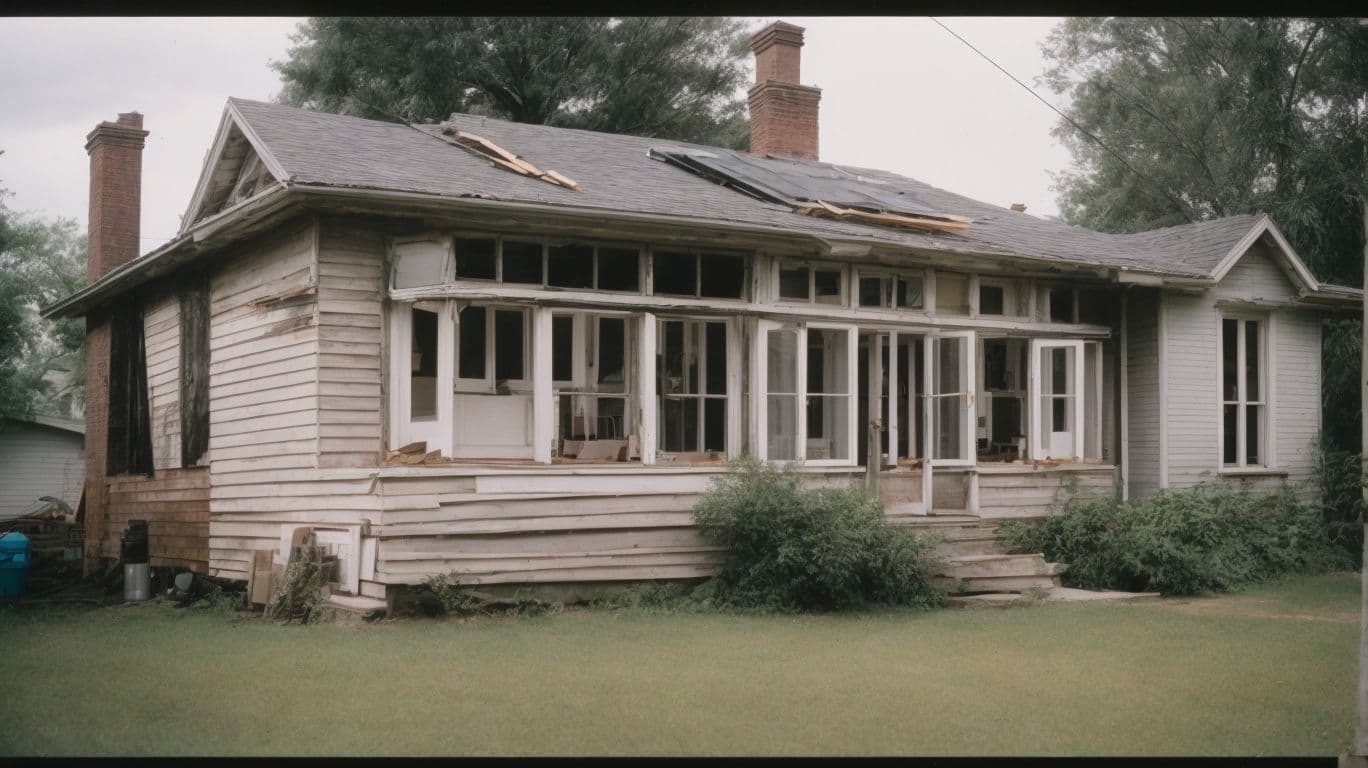
Modernizing older homes is a crucial aspect of maintaining and enhancing the value and safety of these properties. In this article, we will explore the importance of modernizing older homes from a structural engineering viewpoint. We will delve into the benefits of such modernization efforts, highlighting common structural issues found in older homes, such as foundation problems, structural instability, outdated electrical and plumbing systems, roof damage, and mold and water damage.
We will examine how structural engineering can play a pivotal role in modernizing older homes, including the processes of inspection and assessment, structural repairs and reinforcement, upgrading electrical and plumbing systems, roof replacement and repair, as well as mold and water damage remediation. We will discuss the cost considerations associated with modernizing older homes and provide insights on how to find a reliable structural engineer for these crucial endeavors. Join us as we uncover the essential aspects of modernizing older homes and the role of structural engineering in ensuring their longevity and functionality.
What Is Modernizing Older Homes?
Modernizing older homes involves the process of renovating, retrofitting, and upgrading existing residential properties to align with contemporary standards and requirements. This may include updating outdated electrical systems, plumbing, and insulation to improve energy efficiency and safety. Modernizing older homes often entails modifying the layout to create open-plan living spaces, integrating smart home technology, and enhancing curb appeal with new windows, doors, and exterior finishes. Renovations can also focus on revitalizing kitchens and bathrooms, introducing eco-friendly materials, and embracing sustainable design principles. Ultimately, the goal is to seamlessly blend the charm of older homes with the functionality and comforts of modern living.Why Is It Important To Modernize Older Homes?
Modernizing older homes is crucial to ensure structural integrity, enhance energy efficiency, comply with updated building codes, and meet modern safety standards. It is essential to keep up with the advancements in construction techniques and materials to reinforce the structural stability of older homes. By incorporating modern insulation, windows, and HVAC systems, homeowners can significantly reduce their energy consumption and costs. Updating older homes to meet current building codes and safety standards enhances the overall livability and peace of mind for occupants, ensuring a safer and more comfortable living environment.What Are The Benefits Of Modernizing Older Homes?
Modernizing older homes offers numerous benefits, including enhanced sustainability, improved home improvement, and preservation of architectural elements that contribute to the property's historical significance. This process not only helps in reducing the environmental footprint of the house but also leads to cost savings by utilizing energy-efficient upgrades. Modernizing older homes allows homeowners to incorporate contemporary amenities while maintaining the charm and character of the original structure. It also adds value to the property and provides a unique opportunity to blend the old with the new, creating a harmonious living space that reflects both tradition and innovation.What Are The Common Structural Issues In Older Homes?
Older homes often exhibit common structural issues such as foundation problems, deteriorating load-bearing walls, and the need for seismic retrofitting, necessitating the expertise of structural engineering and foundation repair specialists. These structural issues can be attributed to the aging process of the home and may pose significant risks if not addressed properly. Structural engineering plays a crucial role in assessing the stability of the existing framework and designing appropriate solutions. Foundation repair specialists are essential in addressing foundation settlement, cracks, and weaknesses. Seismic retrofitting becomes imperative to enhance the home's resistance to earthquake forces, ensuring overall safety and structural integrity.Foundation Problems
Foundation problems in older homes often stem from structural deficiencies, requiring thorough assessment and potential interventions using modern construction materials to ensure long-term stability and integrity. These issues may arise due to factors such as soil movement, inadequate drainage, or the deterioration of traditional building materials. Utilizing modern materials like steel or reinforced concrete can provide superior strength and resilience, mitigating the effects of aging on the foundation. Implementing advanced construction techniques, such as underpinning or helical piers, can effectively address underlying issues and restore the structural soundness of older homes.Structural Instability
Structural instability in older homes poses significant risks, necessitating comprehensive renovation efforts to address safety standards and reinforce the overall stability of the property. This challenge often arises due to the natural aging process of the building materials, such as wood, concrete, and masonry. Addressing these issues requires a thorough understanding of the structural integrity of the house and the potential risks associated with continued deterioration. Renovation projects may involve reinforcing foundation walls, replacing damaged support beams, and installing additional bracing to enhance the overall resilience of the structure. Adhering to safety standards, building codes, and obtaining necessary permits are essential considerations during the renovation process to ensure the long-term stability and safety of the older home.Outdated Electrical and Plumbing Systems
Outdated electrical and plumbing systems in older homes often require extensive upgrades to enhance energy efficiency, reliability, and compliance with modern standards and regulations. This becomes crucial as obsolete wiring and pipes not only pose safety risks but also lead to higher energy consumption and utility bills. Upgrading these systems can result in significant cost savings and a reduced environmental impact. Modernizing electrical and plumbing infrastructure can increase the resale value of older homes, making them more attractive to potential buyers. These upgrades can also provide better water pressure, efficient water heating, and improved electrical capacity, meeting the needs of contemporary lifestyles.Roof Damage
Roof damage in older homes demands diligent repair and renovation efforts to ensure structural integrity, weather resistance, and long-term protection against environmental elements. This is especially crucial as older homes are more susceptible to issues such as weakened roofing materials, leaks, and compromised insulation. These issues can lead to further damage within the home, impacting not only the structural integrity but also the safety and comfort of its inhabitants. Timely repair and renovation of roofs in older homes are essential to prevent costly repairs and to maintain the overall value of the property. Investing in the maintenance of the roof can extend the lifespan of the home and mitigate potential risks associated with weather-related damage or structural issues.Mold and Water Damage
Mold and water damage issues in older homes necessitate comprehensive renovation measures to address safety standards and mitigate potential health hazards associated with damp environments. These challenges often stem from aging infrastructure, inadequate ventilation, and outdated plumbing systems. Renovation requirements include:- Thorough inspection
- Removal of affected materials
- Proper ventilation installation
- Moisture control solutions