Keep Your Retaining Wall Strong: Tips to Avoid Collapse
September 1, 2023

What Exactly is a Retaining Wall?
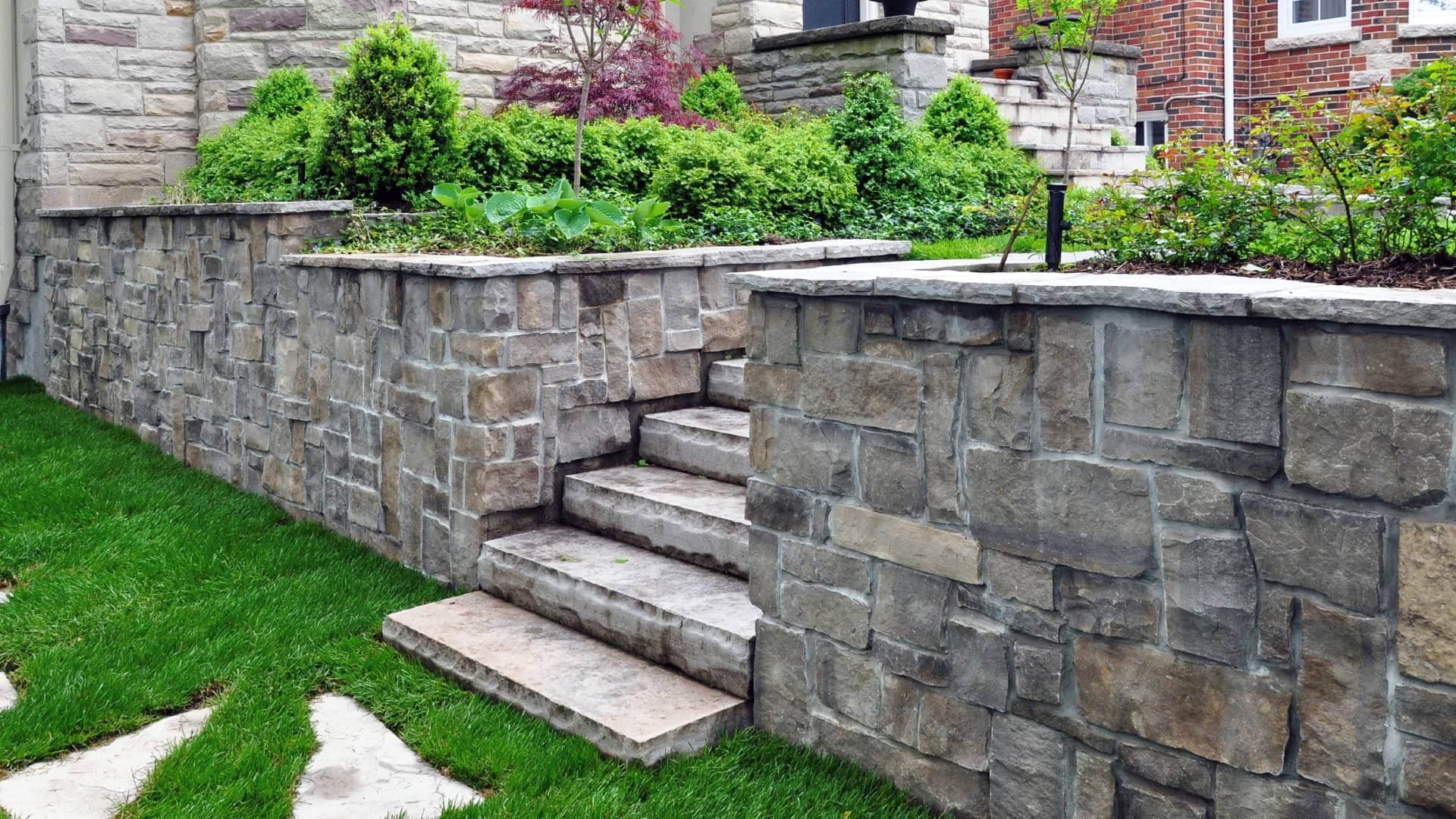
A retaining wall is engineered to contain a mass of soil, offering both aesthetic and functional advantages. While various materials like concrete blocks, wooden planks, or natural stones can be used, the critical point is that these walls must be strong enough to resist the lateral pressure exerted by the soil. But like all structures, retaining walls can deteriorate over time. That's why vigilance and timely intervention, potentially with the help of experts like SF Bay Engineering, are crucial.Identifying Early Signs of Retaining Wall Failures
1. Water Overload:
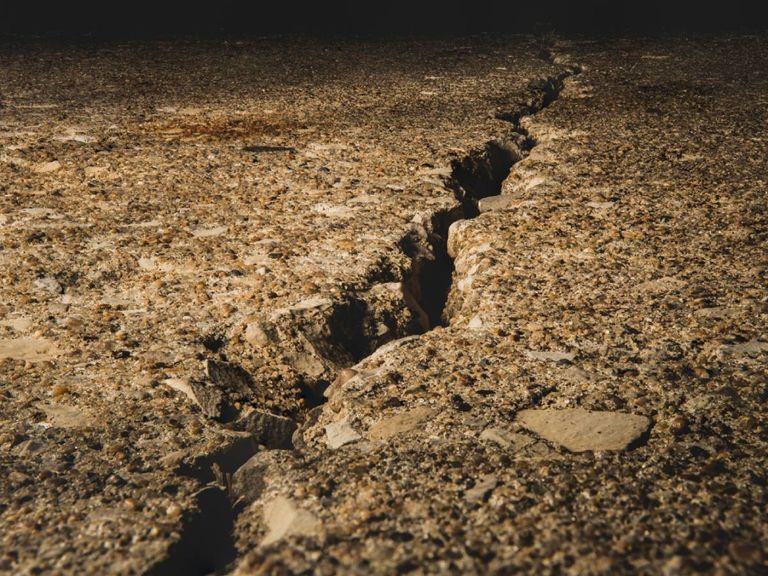
Drainage complications can stress your retaining wall. Make sure your drainage systems are effective and that you're using porous backfill to prevent water buildup.2. Flawed Design:
Never underestimate the importance of skilled engineering when constructing your retaining wall. Many problems arise from fundamental design issues, making it vital to engage a reputable contractor for the job.3. Ground Instability:
Poor soil compaction below the foundation can lead to settling and eventually to the structural failure of your retaining wall.Strategies for Safeguarding Your Retaining Wall
1. Strengthen the Base:
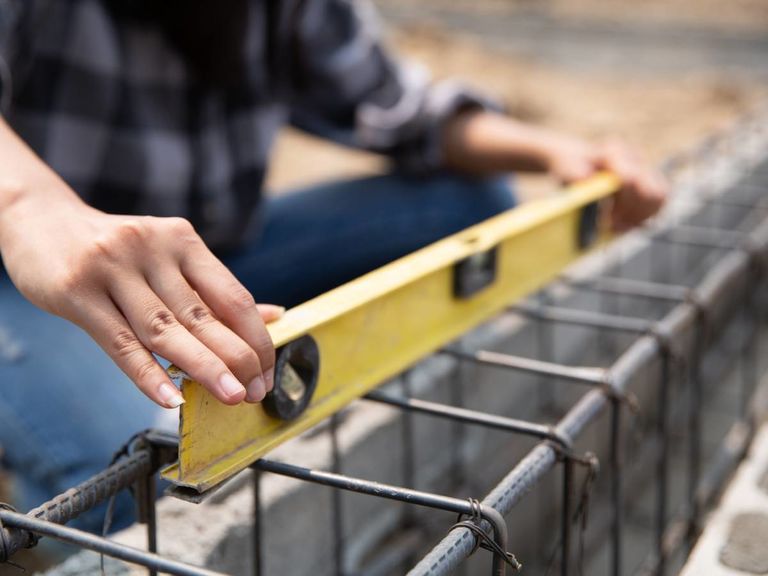
Expand the width of the wall’s foundation to reduce soil pressure. This involves digging out soil and adding more concrete to the existing base, reinforced with dowels for added strength.2. Soldier Beam Installation:
Utilize H-beams or soldier beams by inserting them into holes along the wall. The spacing and dimensions will depend on the structural needs of the retaining wall.3. Wall Rebuilding:
If your wall is past the point of no return, consider dismantling and constructing a new wall, especially if a larger structure now requires different materials.Advanced Techniques for Retaining Wall Reinforcement