Financing Your Skyward Dreams: A Comprehensive Guide to Second Story Addition Loans
April 16, 2024
Looking to expand your living space and enhance your home's curb appeal?
A second story addition might be just what you need.
In this guide, we will explore the benefits of adding a second story to your home, the different types of second story additions, and how to plan for the project.
We will discuss the various financing options available, from home equity loans to construction loans, to help you choose the right loan for your skyward dreams.
What is a Second Story Addition?
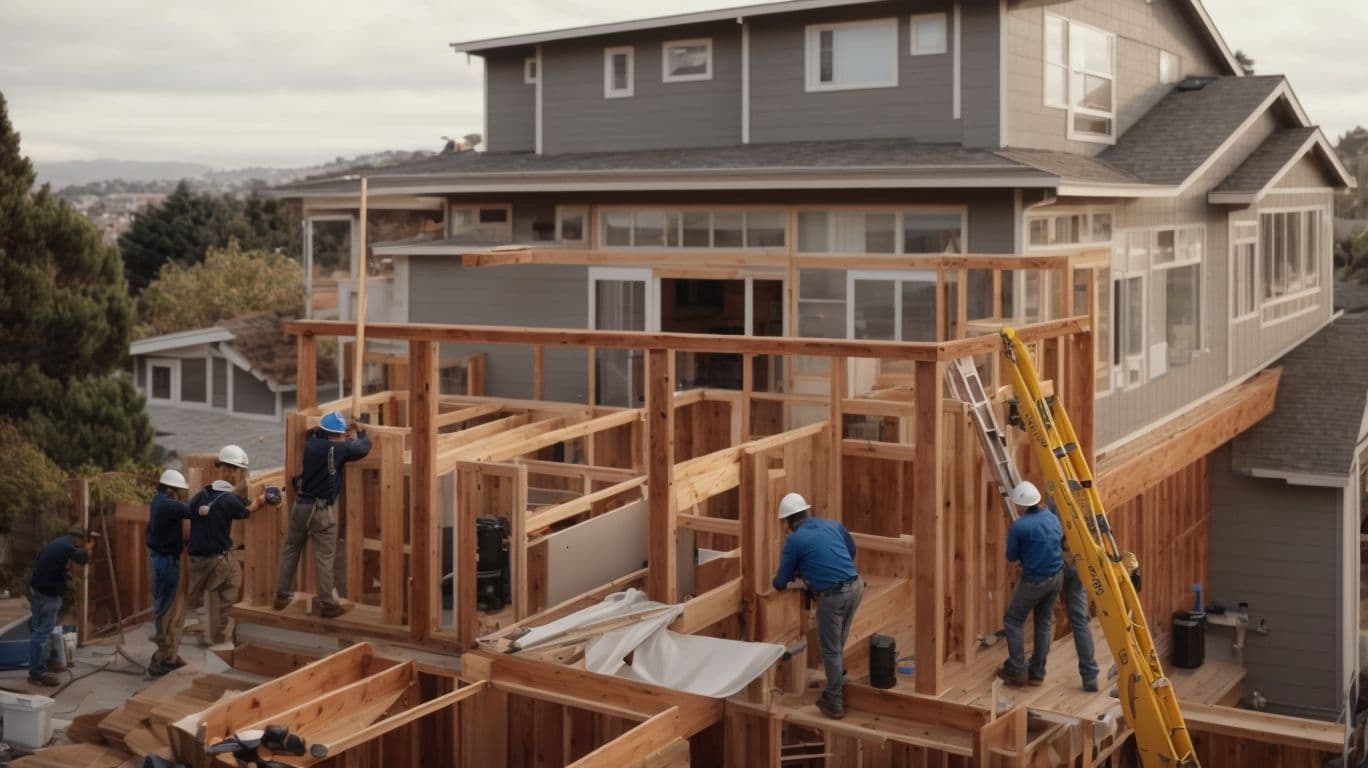
A second story addition involves expanding your home vertically by constructing a new level above the existing structure. This process typically begins with a thorough assessment of the existing foundation and structure to ensure they can support the additional weight of the new floor. Once the feasibility is confirmed, the construction phase begins, involving framing, roofing, and ensuring the new level seamlessly integrates with the existing design. Homeowners may choose to include new bedrooms, bathrooms, or living spaces in the second story addition, enhancing the functionality and aesthetics of their home. The renovation process often requires careful planning and coordination to minimize disruptions and ensure a successful extension of the living space.Why Consider a Second Story Addition?
Considering a second story addition can significantly increase your living space and enhance the overall value and functionality of your home. Expanding upwards with a second story addition provides numerous advantages. Not only does it offer the opportunity to create additional bedrooms, a home office, or a recreational space, but it also increases the property value and allows for more flexibility in your living arrangements. Opting for a second story addition can save you from the hassle of having to relocate to a larger home, making it a cost-effective solution for expanding your living space. The construction involved in a second story addition can also be less disruptive compared to a full home renovation, minimizing the inconvenience of living in a construction zone.What are the Benefits of a Second Story Addition?
A second story addition offers various advantages, including increased living space, enhanced curb appeal, cost savings, and the ability to personalize your home according to your preferences.Increased Living Space
Adding a second story to your home can significantly expand your living area, providing more room for your family to grow and thrive. This home improvement project not only increases the space within your property but also opens up new possibilities for separate living areas, additional bedrooms, or even a home office. The construction of a second story can enhance the functionality of your home, offering distinct areas for different activities and providing more privacy for all family members. The increased living space adds substantial value to your property, making it a wise investment for both your immediate lifestyle needs and future resale potential.Enhanced Curb Appeal
A second story addition can enhance the exterior appearance of your home, boosting its curb appeal and overall aesthetic charm. By opting for a renovation like a second story addition, you not only invest in the physical structure of your property but also increase its market value significantly. The funding allocated towards this type of project can be seen as a strategic investment in your home's future, offering both immediate benefits in terms of improved aesthetics and long-term financial gains. Potential buyers are often drawn to homes that have undergone such enhancements, recognizing the value and beauty that an added story can bring to a property.Cost Savings
Opting for a second story addition can often be more cost-effective than purchasing a new larger home, saving you money in the long run. When you choose to add a second story to your existing home, you not only avoid the hefty costs associated with buying a new property, but you also have the opportunity to finance the addition in a way that suits your budget. Financing a home improvement project like a second story addition typically involves a mortgage, which allows you to spread out the repayment over a longer period, making it more manageable. This can be a smart financial move, as you are essentially investing in your current property and increasing its overall value.Personalization
One of the key benefits of a second story addition is the ability to personalize and customize your living space according to your unique preferences and requirements. This level of customization allows you to create a home that truly reflects your lifestyle and design tastes. From additional bedrooms for a growing family to a home office space that suits your work-from-home needs, a second story addition offers flexibility and versatility. When considering this renovation option, it's essential to explore the various loan options available to finance the project. Understanding the eligibility criteria for these loans can help you make informed decisions about how to proceed with your home improvement plans.What are the Different Types of Second Story Additions?
There are several types of second story additions, including full second story additions, partial second story additions, and bump-out additions, each offering unique features and benefits.- Full second story additions involve constructing an entire new level over the existing structure, providing significant additional living space. This type of construction requires thorough planning and may involve major renovation work, but it can offer a substantial increase in home equity.
- On the other hand, partial second story additions focus on adding specific rooms or sections to the upper floor, allowing for customization and flexibility.
- Bump-out additions, while not creating a full new level, extend existing rooms outward, providing extra space while minimizing disruption to the lower level.
Full Second Story Addition
A full second story addition involves adding an entire new level above the existing structure, providing extensive additional living space and amenities. This construction project requires meticulous planning and execution to ensure structural integrity and seamless integration with the existing home. Homeowners looking to undertake such a renovation may explore financing options such as a construction loan, FHA 203(k) loan, or tapping into their home equity investment. These financial tools can help cover the costs associated with building a second story, including materials, labor, permits, and architectural design. By leveraging these resources, individuals can transform their current residence into a spacious, multi-level living space tailored to their needs and preferences.Partial Second Story Addition
A partial second story addition involves expanding only a portion of the upper level, offering targeted enhancements and extra space in specific areas of the home. This type of addition can be a strategic solution for homeowners looking to maximize their property's utility without the need for a full-scale renovation. By borrowing elements from the existing structure and seamlessly integrating them into the new design, it allows for a seamless transition between old and new. When considering a partial second story addition, homeowners should be mindful of any loan agreements or property liens that may impact the construction process or property ownership down the line.Bump-Out Addition
A bump-out addition involves extending a section of the upper level outward, creating additional space without building a full second story, suitable for targeted expansions. This type of addition is a popular choice among homeowners looking to increase living space without the costly process of adding a complete second story. When considering a bump-out, homeowners should be aware of the impact it may have on underwriting and appraisal values. The funds for the project may need to be placed in escrow to ensure that the work is completed satisfactorily and in compliance with regulations. Despite these considerations, a bump-out can be a great way to enhance the functionality and aesthetics of a home.How to Plan for a Second Story Addition?
Planning for a second story addition entails assessing your budget, evaluating your home's structural capacity and foundation, and deciding on the layout and design aspects to meet your needs.- Once you have a clear understanding of your budget and financial situation, it's essential to consider your credit score as it can impact your ability to secure financing for the project. A good credit score can help you qualify for better loan terms and interest rates, potentially saving you money in the long run.
- When planning the construction timeline, it's crucial to factor in any potential delays and allocate sufficient time for unforeseen circumstances that may arise during the building process.
What are the Financing Options for a Second Story Addition?
When considering financing for a second story addition, you have various options available, including home equity loans, cash-out refinances, personal loans, and specialized construction or energy-efficient mortgages. Home equity loans are a popular choice for homeowners looking to fund home improvement projects like adding a second story. These loans typically offer competitive interest rates and flexible repayment terms based on the equity in your home. Cash-out refinances allow you to access funds by refinancing your existing mortgage for a higher amount than you currently owe, providing a lump sum of cash for your addition. Energy-efficient mortgages incentivize eco-friendly upgrades by offering favorable terms for energy-efficient home improvements. Each of these loan options has its application requirements and considerations regarding collateral.Home Equity Loan
A home equity loan allows you to borrow against the equity in your home to finance a second story addition, with fixed interest rates and a structured repayment period. This type of loan is secured by the value of your property, which serves as collateral for the loan amount. Home equity loans typically offer lower interest rates compared to other forms of financing due to this collateral, making them an attractive option for homeowners looking to invest in home additions or renovations. The loan amount you can qualify for is determined by the equity you have in your home, which is calculated by subtracting the outstanding mortgage balance from the current market value of the property. It's important to carefully consider the repayment terms, as defaulting on payments could put your home at risk of foreclosure.Home Equity Line of Credit
A home equity line of credit (HELOC) provides a flexible financing option for a second story addition, allowing you to borrow up to a set credit limit secured by your home's equity. One of the significant benefits of utilizing a HELOC for financing a second story addition is the flexibility it offers in terms of payment plans. With a HELOC, you have the freedom to choose how much and when you borrow against the credit line, giving you control over your finances. The revolving credit nature of a HELOC means that as you repay the borrowed amount, those funds become available for future use. This unique feature makes a HELOC an attractive option for homeowners looking to fund home renovation projects. Since a HELOC is typically backed by your home's equity, lenders are more willing to offer competitive interest rates compared to other forms of borrowing. By working with a lending institution to secure a HELOC, you can access the funds you need for your second story addition while leveraging the value you have built in your home.Cash-Out Refinance
A cash-out refinance involves refinancing your existing mortgage for a higher amount, allowing you to use the difference to fund your second story addition, usually with competitive interest rates. This process leverages the equity in your property, enabling you to access a lump sum of cash based on the value of your home. By utilizing this method, homeowners can benefit from potentially lower interest rates compared to other types of loans. Lenders typically look at your debt-to-income ratio and underwrite the loan agreement to determine your eligibility. Cash-out refinancing provides the advantage of consolidating debt into one manageable payment, simplifying your financial situation while investing in the value of your home through the second story addition.Personal Loan
A personal loan can be a viable option for financing a second story addition, offering flexibility in terms of amounts and repayment plans based on your credit score and financial situation.- Unlike mortgage loans, personal loans do not solely rely on the borrowing capacity limited by the property's value. This means you can potentially secure a personal loan even if your property does not have substantial equity.
- The documentation required for a personal loan is typically less complex compared to other types of loans, simplifying the application process. Personal loans usually have shorter approval times, making them a quicker solution for funding your home renovation projects.