Eco-Friendly Home Expansion: Sustainable Solutions in the Bay Area
March 25, 2024
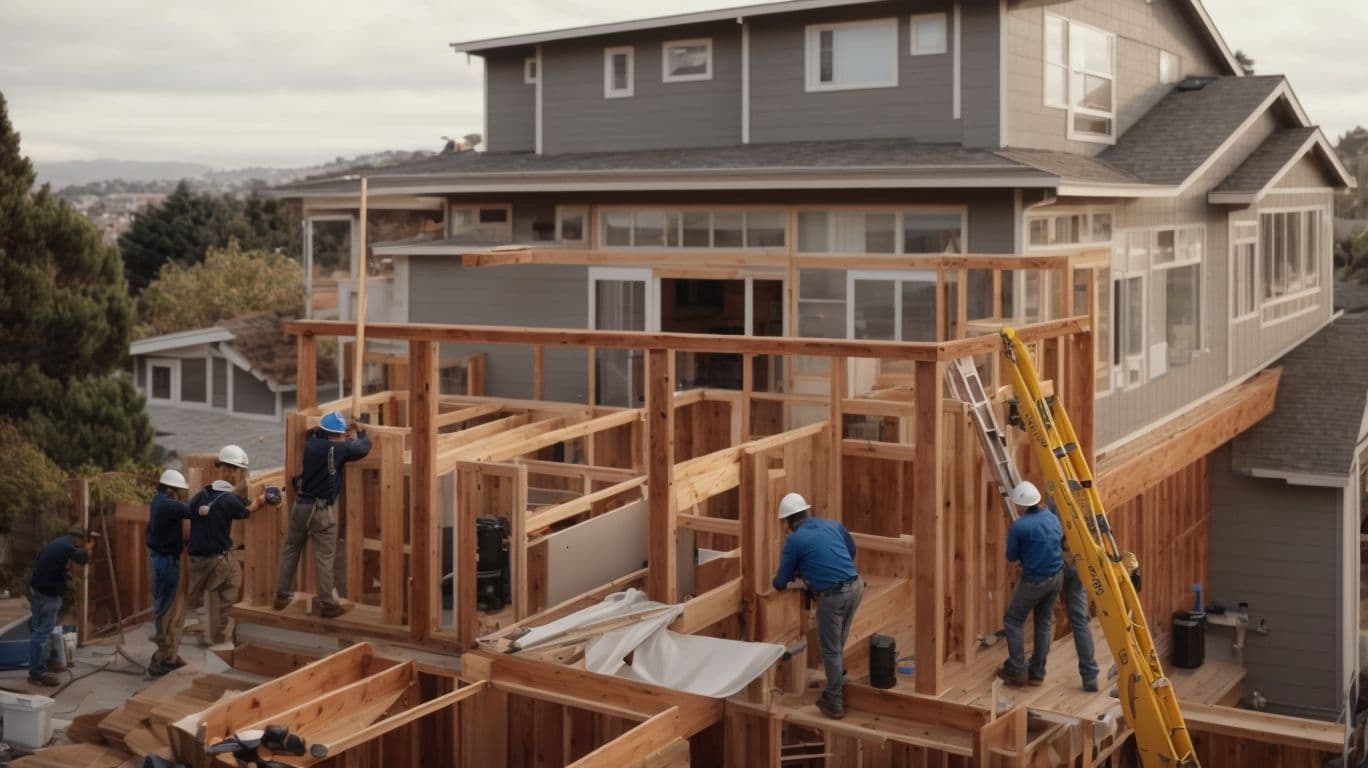
Are you considering expanding your home in the Bay Area?
We will explore the benefits of eco-friendly home expansion and the sustainable solutions available to homeowners. From green building materials to energy-efficient appliances, we will discuss how you can incorporate these eco-friendly features into your home expansion project.
There are challenges to overcome, such as higher upfront costs and limited availability of sustainable materials. Learn how homeowners can overcome these obstacles and create a more sustainable living space.
Why Go Eco-Friendly for Home Expansion?
Choosing to go eco-friendly for home expansion is a decision that not only benefits the environment but also contributes to creating a sustainable living space for your family. With the increasing focus on green building practices and sustainable solutions, embracing eco-friendly options in the Bay Area can significantly reduce your carbon footprint and promote green living in the community. In the Bay Area, where environmental consciousness is ingrained in the lifestyle, opting for eco-friendly home expansion aligns with the values of the community. By incorporating features like energy-efficient appliances, sustainable materials, and green technologies, homeowners can not only lower their utility bills but also enhance the overall comfort and health of their living space. This conscious choice towards sustainability also increases the property value and appeal, reflecting a modern and responsible approach to homeownership in the Bay Area.What Are the Benefits of Sustainable Home Expansion?
Sustainable home expansion offers a range of benefits, including reduced energy consumption, lower utility costs, and a decreased reliance on non-renewable resources. By incorporating environmentally friendly features such as energy-efficient appliances, solar panels, and rainwater harvesting systems, homeowners can create a more sustainable living environment that promotes energy efficiency and conservation. Choosing sustainable construction materials like bamboo flooring or recycled materials can further enhance the eco-friendliness of the expansion. Implementing a smart home system that monitors energy usage and adjusts settings accordingly can also optimize energy efficiency. Integrating a green roof or using low-flow fixtures for water conservation can contribute to reducing the home's overall environmental impact. These practices not only benefit the planet but also improve the well-being of inhabitants through a healthier and more comfortable living space.What Are the Sustainable Solutions for Home Expansion in the Bay Area?
Implementing sustainable solutions for home expansion in the Bay Area involves utilizing green building materials, installing energy-efficient appliances, incorporating water-saving fixtures, integrating solar panels for renewable energy generation, and setting up a rainwater harvesting system to reduce water consumption. These eco-friendly practices not only help reduce the carbon footprint of your home but also contribute to long-term cost savings. Green building materials such as bamboo flooring, reclaimed wood, and recycled glass can enhance the aesthetics of your expanded living space while minimizing environmental impact. Energy-efficient appliances like ENERGY STAR-rated refrigerators, dishwashers, and HVAC systems can significantly lower your electricity bills. Water-saving fixtures such as low-flow toilets, showerheads, and faucets conserve water without compromising on performance. Incorporating solar panels for renewable energy generation can further decrease your reliance on traditional power sources, reducing both your utility expenses and environmental impact.Green Building Materials
Using green building materials is a fundamental aspect of sustainable home expansion, emphasizing the importance of selecting eco-friendly and sustainable materials that contribute to green design practices and promote sustainable construction techniques. Incorporating these sustainable practices ensures a reduced environmental impact and a healthier living space for occupants. By choosing materials like sustainably sourced wood, recycled glass, bamboo flooring, and low VOC paints, homeowners can create spaces that not only look beautiful but also support the planet. Green building materials help in conserving natural resources, reducing energy consumption, and improving indoor air quality. These materials often have longer lifespans, reducing the need for frequent replacements and minimizing waste generation. Embracing sustainable practices in construction aligns with green building certification standards and sustainable building codes, fostering a more environmentally conscious approach to architecture and design.Energy-Efficient Appliances
Opting for energy-efficient appliances in home expansion projects can lead to significant energy savings, reduced utility bills, and a lower overall carbon footprint. By investing in eco-friendly appliances and energy-efficient upgrades, homeowners can enhance their sustainable living practices while enjoying the benefits of long-term cost savings and environmental conservation. These appliances are designed to consume less energy without compromising performance, making them a smart choice for those looking to reduce their environmental impact. In addition to saving money on monthly energy bills, energy-efficient appliances also contribute to a greener planet by reducing greenhouse gas emissions. By adopting these energy-efficient home solutions, individuals can play a part in creating a more sustainable future for generations to come.Water-Saving Fixtures
Incorporating water-saving fixtures is essential for sustainable home expansion, promoting efficient water usage, conservation efforts, and the implementation of energy-efficient water systems. By adopting eco-friendly plumbing solutions and water-saving technologies, homeowners can reduce water wastage, lower utility costs, and contribute to environmental sustainability. These eco-conscious fixtures play a pivotal role in sustainable water management by significantly decreasing water consumption without compromising performance. From low-flow toilets to aerated faucets, each component works cohesively to minimize water usage and enhance overall efficiency. By integrating such eco-friendly solutions, households can play a crucial part in preserving our precious water resources and reducing their carbon footprint. The ripple effect of these efforts extends to fostering a greener environment and supporting the global movement towards sustainable living practices.Solar Panels
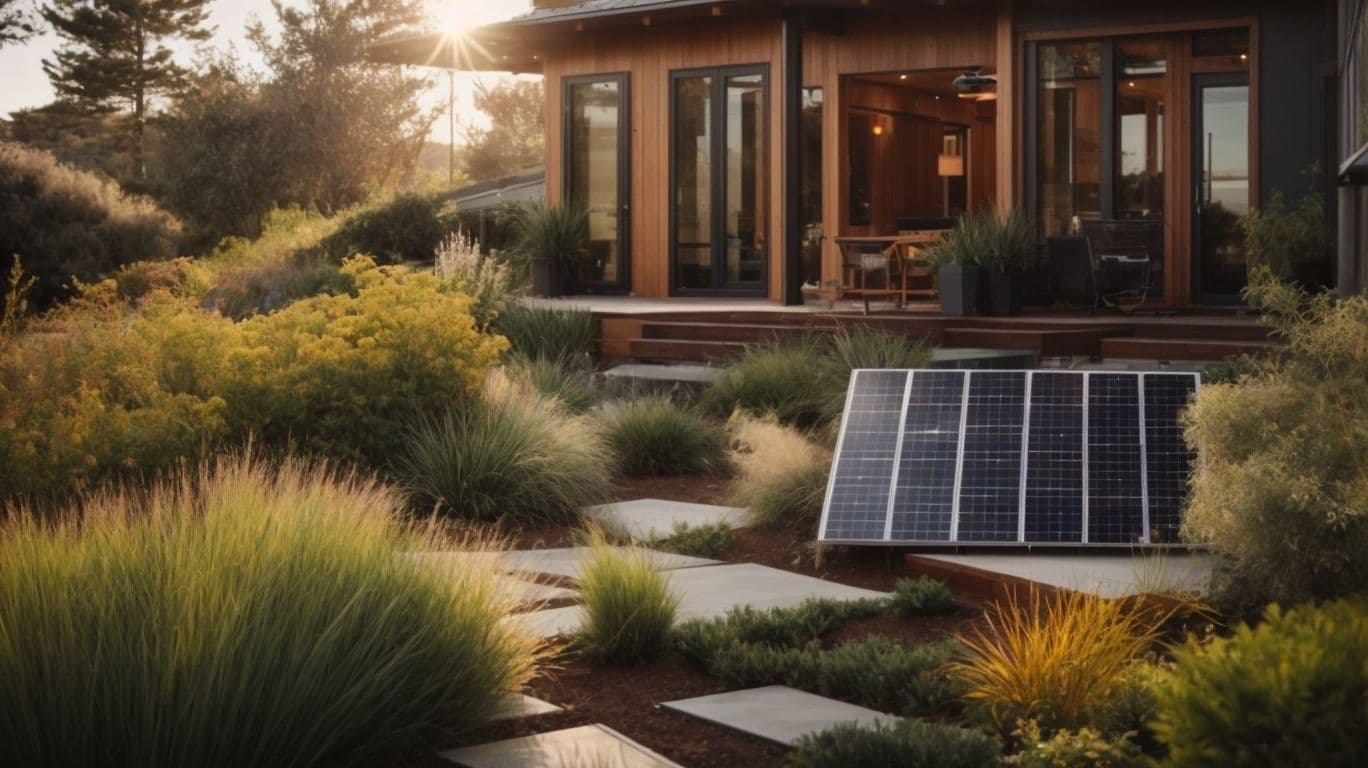
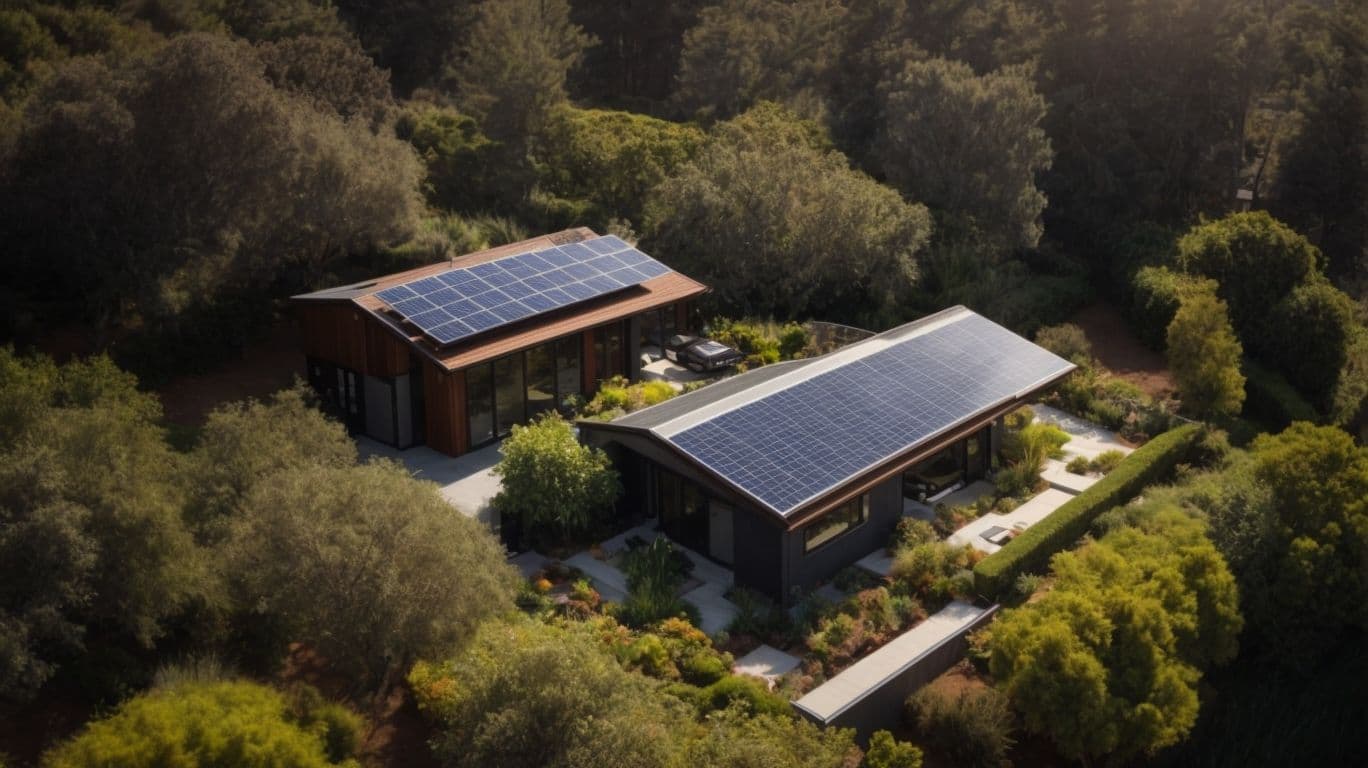
Installing solar panels is a key sustainable solution for home expansion, enabling homeowners to generate renewable energy, achieve net-zero energy consumption, and implement sustainable energy systems. Through the utilization of solar panels, households can tap into an abundant, clean energy source that not only powers their homes efficiently but also helps in the reduction of greenhouse gas emissions. By integrating solar power into their energy mix, individuals can take significant steps towards achieving energy independence and contributing to the development of a more sustainable future. Solar panels offer long-term cost savings, as they provide a reliable and consistent source of electricity without the need for traditional fossil fuels.Rainwater Harvesting System
Implementing a rainwater harvesting system as part of sustainable home expansion practices allows homeowners to collect and utilize rainwater for various purposes, promoting sustainable practices, green infrastructure development, and contributing to sustainable real estate initiatives. By integrating rainwater harvesting, households can reduce water consumption, minimize runoff, and support eco-friendly landscaping efforts. Rainwater harvesting systems play a vital role in reducing strain on traditional water sources, especially during periods of drought or water scarcity. Not only does this practice help in water conservation, but it also adds value to properties with sustainable features, attracting environmentally conscious buyers interested in eco-friendly homes. Rainwater collection systems can enhance the aesthetic appeal of landscapes through the use of stored rainwater for irrigation, fostering lush gardens and vibrant plant life.How to Incorporate Sustainable Solutions in Home Expansion Projects?
Incorporating sustainable solutions in home expansion projects requires careful planning, research on green building materials and contractors, consideration of energy-efficient design principles, and budgeting for sustainable features. By embracing green technology and sustainable development practices, homeowners can create environmentally responsible spaces that prioritize energy conservation and sustainable living. Implementing sustainable practices within home expansion projects involves selecting eco-friendly building materials, such as recycled wood or energy-efficient insulation, and working with contractors experienced in green construction methods. Green building standards, like LEED certification, offer guidelines for creating energy-efficient homes with low environmental impact. Utilizing solar panels, energy-efficient appliances, and smart home technology can further reduce the carbon footprint and ongoing energy costs. By integrating these sustainable elements, homeowners can enjoy a comfortable living space while contributing positively to the environment.Plan Ahead
Planning ahead is crucial for successful integration of sustainable solutions in home expansion projects, ensuring that homeowners consider eco-friendly design ideas, green living tips, and sustainable home solutions from the initial stages of planning. This proactive approach allows individuals to incorporate energy-efficient appliances, utilize sustainable materials, and maximize natural light in their home design. By thinking ahead, homeowners can also plan for features like rainwater harvesting systems, rooftop gardens, and solar panels, which contribute to a more eco-friendly and self-sufficient household. Implementing these green living tips not only benefits the environment but can also result in long-term cost savings and improved quality of life for residents.Research Green Building Materials and Contractors
Conducting thorough research on green building materials and contractors is essential for selecting the most suitable options that align with current green building trends, sustainable infrastructure requirements, and potential green home upgrades. By staying informed about the latest sustainable practices and materials, homeowners can make informed decisions that support their eco-friendly home expansion goals. Exploring the array of eco-friendly practices available in the market can also lead to innovative solutions for energy efficiency and reduced environmental impact. Collaborating with experienced contractors who specialize in green building can provide valuable insights and recommendations for implementing sustainable infrastructure advancements in residential spaces. By combining the use of renewable resources, such as solar panels and energy-efficient appliances, with eco-conscious building materials like bamboo flooring and recycled glass countertops, homeowners can contribute to a greener future while enhancing the value and comfort of their living spaces.Consider Energy-Efficient Design
Incorporating energy-efficient design elements is key to sustainable home expansion, with a focus on climate-responsive design strategies, green retrofit options, and energy-efficient lighting solutions. By considering these aspects during the design phase, homeowners can optimize energy performance, enhance indoor comfort, and reduce their environmental impact through efficient lighting systems.- Climate-responsive design strategies play a crucial role in adapting homes to their surroundings, ensuring optimal thermal comfort and reducing reliance on mechanical heating and cooling systems.
- Green retrofit options, such as upgrading insulation and installing energy-efficient windows, can significantly cut energy consumption.
- Energy-efficient lighting solutions, such as LED fixtures and daylighting techniques, not only enhance interior ambiance but also lower electricity bills.