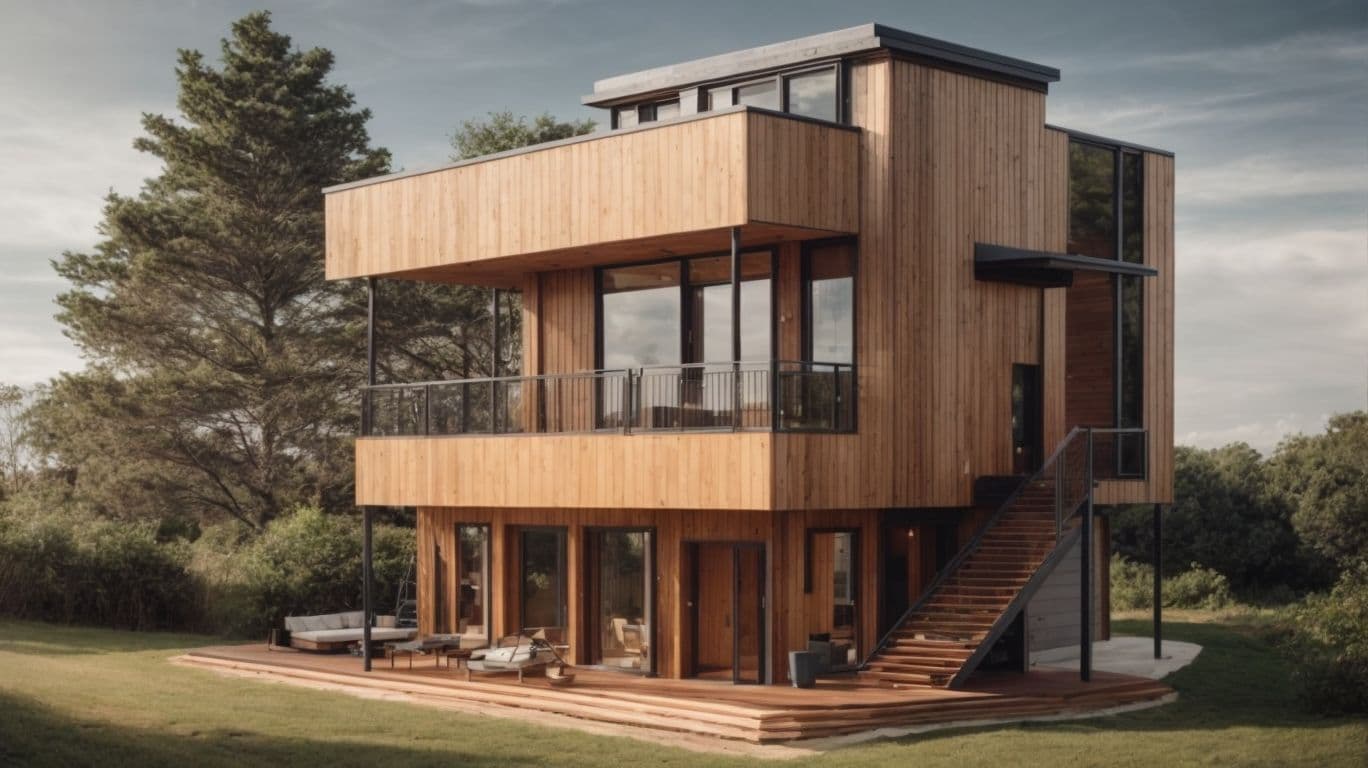
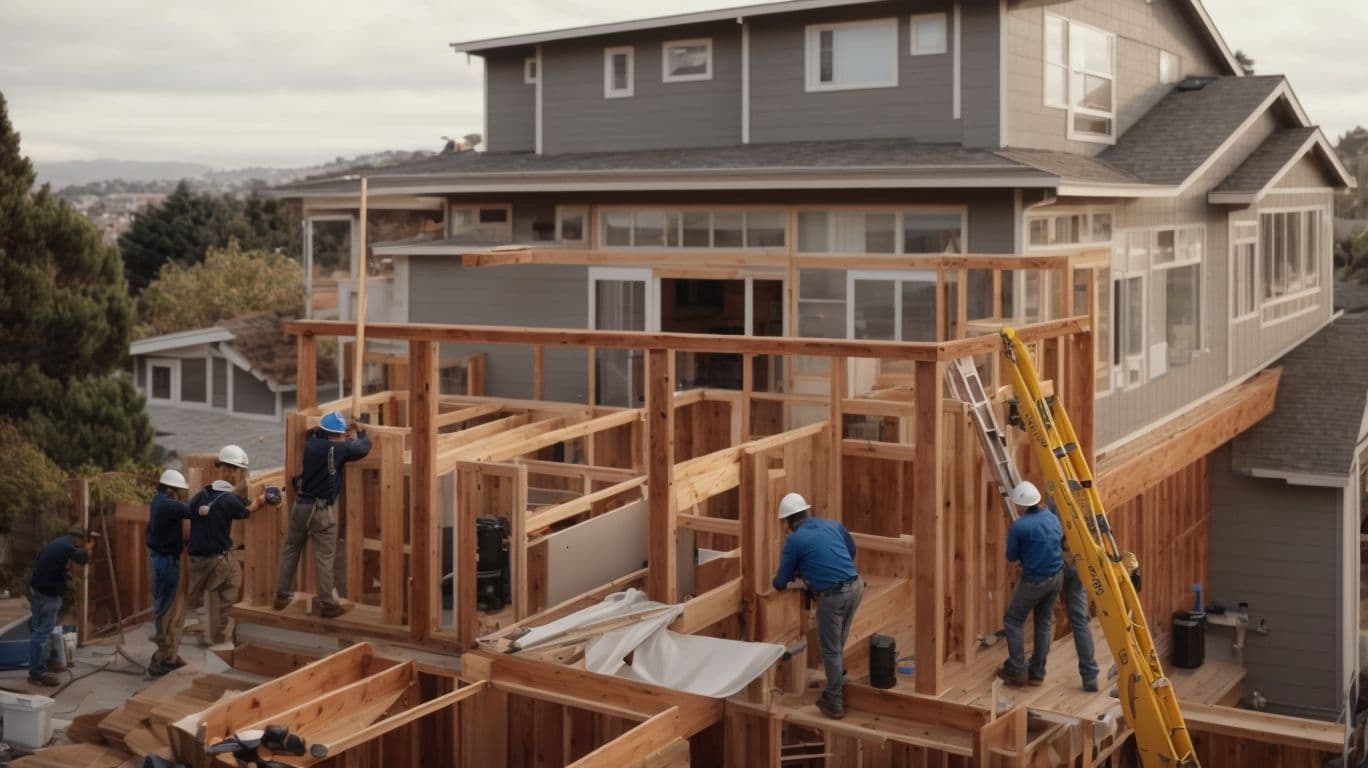
Are you considering adding a second story to your Bay Area home but unsure where to start?
We will explore the benefits of a second story addition, including
increased living space,
maintaining neighborhood aesthetics, and
cost-effectiveness.
Important factors to consider before designing your addition include
structural integrity,
zoning codes,
budgeting, and
property value.
Get essential tips for designing your second story addition and navigating the permitting and construction process to enhance your home with a second story addition!
What is a Second Story Addition?
A
second story addition involves the process of designing and constructing an additional level on top of an existing home, typically as part of a home renovation.
This type of home improvement project serves the purpose of
expanding living space without encroaching on the property's footprint. By adding a second story, homeowners can
maximize their living area while
preserving their outdoor space. A second story addition often
increases property value and
enhances the aesthetic appeal of the home.
When considering a second story addition, important structural considerations, such as ensuring
proper support for the added weight and integrating the new level seamlessly with the existing structure, must be taken into account. Designing the layout and infrastructure of the second story to flow harmoniously with the rest of the house is crucial for a successful project.
Why Consider a Second Story Addition for Your Bay Area Home?
Considering a
second story addition for your
Bay Area home can be a strategic decision to expand living space and enhance the overall value through a transformative home renovation.
Opting for a second story addition offers homeowners the opportunity to create a more functional and spacious living environment. By adding an extra level to your home, you not only increase the square footage but also open up possibilities for more personalized and customized living spaces.
This expansion can cater to specific needs such as
additional bedrooms, home offices, or entertainment areas, providing a tailored living experience that aligns with your lifestyle preferences. Investing in a second story addition can significantly boost the resale value of your property, making it a wise financial decision in the long run.
Increase Living Space
Expanding living space through a
second story addition allows for effective space optimization, catering to the growing needs of homeowners looking to enhance their living environment.
Not only does a room addition provide
more functional space, but it also opens up various home improvement opportunities. With extra room, homeowners have the chance to create new living areas, such as a
study, home office, or entertainment room. The added square footage can significantly increase the
property value and improve the overall aesthetics of the house. By strategically planning the layout and design of the new space, homeowners can maximize
natural light, ventilation, and overall functionality.
Maintain Neighborhood Aesthetics
When considering a second story addition, it's crucial to maintain neighborhood aesthetics by incorporating design elements that blend seamlessly with the existing architectural style.
This integration not only enhances the visual appeal of the property but also contributes to neighborhood harmony by ensuring a cohesive overall design. Elements such as
rooflines,
window styles,
materials, and
color palettes play a significant role in creating a unified look that respects the character of the community. By respecting the established architectural styles in the area, homeowners can help preserve the unique identity and charm of the neighborhood, fostering a sense of belonging and pride among residents.
Cost-Effective Solution
Opting for a
second story addition can be a
cost-effective solution when proper budgeting, material selection, and construction planning are implemented to avoid potential cost overruns.
By carefully managing the budget, homeowners can ensure that they stay within their financial limits while still achieving their desired renovation goals. Choosing high-quality materials that offer durability and longevity can lead to long-term savings by reducing maintenance and replacement costs. Collaborating with experienced contractors to create a detailed project plan can help identify any potential obstacles early on and prevent unforeseen expenses.
Taking these proactive measures can significantly contribute to the cost-effectiveness of second story additions.
Factors to Consider before Designing a Second Story Addition
Before initiating the design process for a second story addition, it is essential to consider factors such as
architectural plans, permits, structural integrity, and compliance with local building codes.
Architectural plans play a crucial role as they outline the layout, dimensions, and aesthetic details of the proposed addition. These plans help in visualizing the end result and ensuring that the design meets your needs and preferences.
Permit requirements are equally important, as obtaining the necessary approvals from local authorities is essential to ensure that the project is legally compliant.
Structural assessments are vital to assess the existing structure's capacity to support the new addition and ensure safety.
Adherence to building codes is non-negotiable, as it ensures that the construction meets safety and quality standards.
Structural Integrity of Existing Home
Assessing the structural integrity of the existing home is paramount before embarking on a second story addition, involving evaluations of the foundation, roofing, and potential consultation with a structural engineer.
- A thorough evaluation of the foundation is crucial to determine if it can support the additional weight of a second story. Issues such as cracks, settling, or water damage must be identified and addressed to ensure stability.
- Similarly, inspecting the roofing system is essential to verify its condition and capability to handle the new construction. Consulting a structural engineer can provide expert insight into any necessary reinforcements or modifications needed to maintain safety standards and uphold the structural integrity of the home.
Zoning and Building Codes
Navigating zoning regulations and building codes is crucial when planning a
second story addition, ensuring compliance with city permits to avoid potential code violations that can delay the project.
Understanding the nuances of zoning regulations and building codes is essential for homeowners and contractors alike. Obtaining city permits involves submitting detailed plans for approval, showcasing adherence to safety and environmental standards. City officials meticulously review these plans to ensure they align with the established regulations, mitigating any potential code violations during the construction process.
In case of discrepancies, addressing code violations promptly is crucial to prevent project delays and legal ramifications. Implementing proactive measures to stay compliant with zoning laws can help streamline the permit approval process, minimizing delays that may arise.
Budget and Financing Options
Careful budgeting and exploring financing options are essential steps in the planning phase of a
second story addition, allowing homeowners to align their preferences, select reliable contractors, and mitigate potential cost overruns.
By carefully managing the budget, homeowners can ensure that they stay within their financial limits while still achieving their desired renovation outcomes.
When it comes to contractor selection, considering factors such as
reputation,
experience, and
communication skills can help homeowners make informed decisions. Establishing clear expectations, timelines, and payment schedules with the contractor can prevent misunderstandings and unexpected costs.
Implementing strategies like
regular progress check-ins and
contingency planning can also assist in avoiding budget overruns and ensuring a smooth project delivery process.
Impact on Property Value
Considering the impact on
property value is crucial when planning a
second story addition, as it can potentially enhance resale value, cater to real estate market trends, and improve overall livability for homeowners.
Adding a
second story to a property often leads to a significant increase in
resale value, allowing homeowners to realize a higher return on their investment. Understanding current market dynamics is essential in ensuring that the addition aligns with the demands of potential buyers, ultimately benefiting the
property value. The added space from a second story can greatly enhance the
livability of the home, providing more room for growing families or additional functionality for various activities.
Designing Your Second Story Addition
Designing your second story addition involves thoughtful considerations of both interior and exterior design elements to create a personalized space with custom features that cater to your unique preferences.
When it comes to interior design, selecting the right color palette, materials, and furnishings plays a crucial role in enhancing the overall ambiance of the space. From choosing the perfect wall colors to selecting furniture pieces that reflect your style, every detail contributes to the creation of a cohesive and inviting interior.
On the other hand, exterior aesthetics focus on blending the new addition seamlessly with the existing architecture while adding curb appeal. Incorporating homeowner preferences such as outdoor living spaces, balconies, or distinctive rooflines ensures that the design reflects your taste and lifestyle.
Work with an Architect or Designer
Collaborating with an architect or designer is essential in conceptualizing your second story addition, ensuring alignment with your preferred architectural style, whether
modern,
traditional, or featuring an
open floor plan.
Experts in the architectural field can provide valuable insights into design preferences, helping you make informed choices about incorporating modern or traditional elements. Their expertise extends to optimizing space utilization, ensuring functionality, and creating a harmonious balance between aesthetics and practicality in your architectural design.
By working with professionals, you can achieve a cohesive and visually appealing second story addition that not only meets your style preferences but also adds value to your living space.
Consider the Layout and Flow
When designing a second story addition, it's important to consider the layout and flow of the space, integrating features like high ceilings, efficient storage solutions, and seamless transitions between levels for a cohesive design.
Utilizing high ceilings in a second-story addition not only creates a sense of spaciousness but also allows for more natural light to flow through the space, enhancing the overall ambiance.
Efficient storage solutions, such as built-in closets or under-the-stairs storage, help maximize space and keep the area organized.
Achieving a harmonious flow between different levels involves thoughtful planning of staircases or elevators, ensuring easy movement between floors.
These spatial design considerations contribute to a functional and aesthetically pleasing second-story addition.
Choose Appropriate Materials
Selecting appropriate materials for your second story addition involves a balance between
sustainability,
natural aesthetics, and
seamless integration with the existing structure to create a harmonious living space.
Such considerations are crucial not only for the visual appeal of your home but also for its environmental impact. Opting for eco-friendly materials like
reclaimed wood,
bamboo flooring, or
recycled glass can significantly reduce the carbon footprint of your project. By choosing sustainable options, you not only contribute to a greener planet but also ensure that your addition stands the test of time. Integrating these natural materials seamlessly into your design can add warmth and character, enhancing the overall charm and value of your home.
Incorporate Energy-Efficient Features
Embracing energy-efficient features in your second story addition through green building practices, energy-efficient systems, and ample natural light sources can enhance sustainability and reduce overall energy consumption.
By incorporating sustainable materials, such as
reclaimed wood or
bamboo flooring, you not only reduce environmental impact but also create a healthier indoor environment.
Implementing smart thermostats, LED lighting, and energy-efficient appliances further boosts energy savings and lowers utility bills.
Optimizing natural light with strategically placed windows, skylights, and solar tubes can minimize the need for artificial lighting during the day, promoting a more sustainable living space.
These elements not only benefit the environment but also contribute to a more comfortable and cost-effective home.
Permitting and Construction Process
Navigating the permitting and construction process for a
second story addition involves obtaining necessary permits, hiring a reputable building contractor, and ensuring a thorough final inspection to meet safety and quality standards.
Once the permits are secured, the next crucial step is selecting a reliable contractor for the project. It is essential to evaluate potential contractors based on their experience, qualifications, and track record of delivering projects on time and within budget. Obtaining multiple bids and checking references can help in making an informed decision.
After the construction phase is completed, scheduling a final inspection is crucial to ensure that the work complies with building codes and safety regulations. This inspection verifies that the addition is structurally sound and meets quality standards, providing peace of mind for the homeowner.
Obtain Necessary Permits
Securing the required permits, including city permits and any approvals from homeowner associations, is a critical initial step in the permitting process to prevent delays that could hinder your second story addition timeline.
After ensuring that all necessary permits are obtained, it is crucial to address any homeowner association requirements that may impact the project. Homeowner associations often have specific guidelines that must be followed, such as architectural restrictions or landscaping regulations.
By proactively communicating with the homeowner association and submitting all required documentation promptly, you can streamline the approval process. To mitigate potential permit delays, it is beneficial to work closely with a knowledgeable permit expediter who can navigate the intricacies of the permitting system and ensure that all necessary paperwork is completed accurately and efficiently.
Hire a Reputable Contractor
Selecting a reputable building contractor with skilled tradespeople and efficient project management capabilities is crucial for ensuring the timely and successful completion of your
second story addition.
Skilled labor plays a key role in ensuring that the construction process is carried out with precision and expertise. The expertise of tradespeople, from
carpenters to
electricians, directly impacts the quality and durability of the work completed.
Equally important is the project management aspect, as effective supervision and coordination of tasks are essential for keeping the project on track. Timely completion is critical not only for meeting deadlines but also for ensuring that the construction process runs smoothly without unnecessary delays.
Communicate with Neighbors
Maintaining open communication with neighbors, considering neighborhood character, and implementing noise reduction strategies, especially in proximity to water bodies, can foster positive community relations during your second story addition construction.
Effective communication plays a vital role in ensuring that construction activities do not disrupt the peace and tranquility of the neighborhood. By engaging with your neighbors and understanding their concerns, you can create a harmonious living environment for everyone. Integrating noise mitigation techniques such as soundproofing materials, construction scheduling, and utilizing quieter equipment are essential steps to preserve the serenity, particularly in areas close to water sources where sound travels more easily. These efforts not only showcase respect for your neighborhood but also contribute to a cohesive and amicable community bond.
Prepare for Disruptions
Anticipating potential disruptions such as changes in views, altered building heights, and privacy concerns during a
second story addition project allows for proactive planning and mitigation strategies to address these issues effectively.
Preserving the existing property views is crucial when considering alterations to a building. Residents often cherish their views, and by carefully planning the new structure's height and layout, one can ensure that these views are not obstructed or compromised.
Incorporating privacy measures such as strategic positioning of windows, vegetation, or fences can help maintain the privacy of both the existing and new spaces. Being mindful of these aspects from the beginning of a construction project can lead to a harmonious integration of the new addition with the existing property.