Designing Your Dream Second Story Addition: From 3D Models to Reality
March 26, 2024
Considering adding a second story to your home but not sure where to start?
We explore the ins and outs of designing a second story addition, from the initial consultation with an architect to obtaining necessary permits.
We discuss key considerations and common challenges you may face during the design process. Delve into the benefits of using 3D models to bring your vision to life.
Join us as we guide you through turning your dream second story addition into a reality.
What is a Second Story Addition?
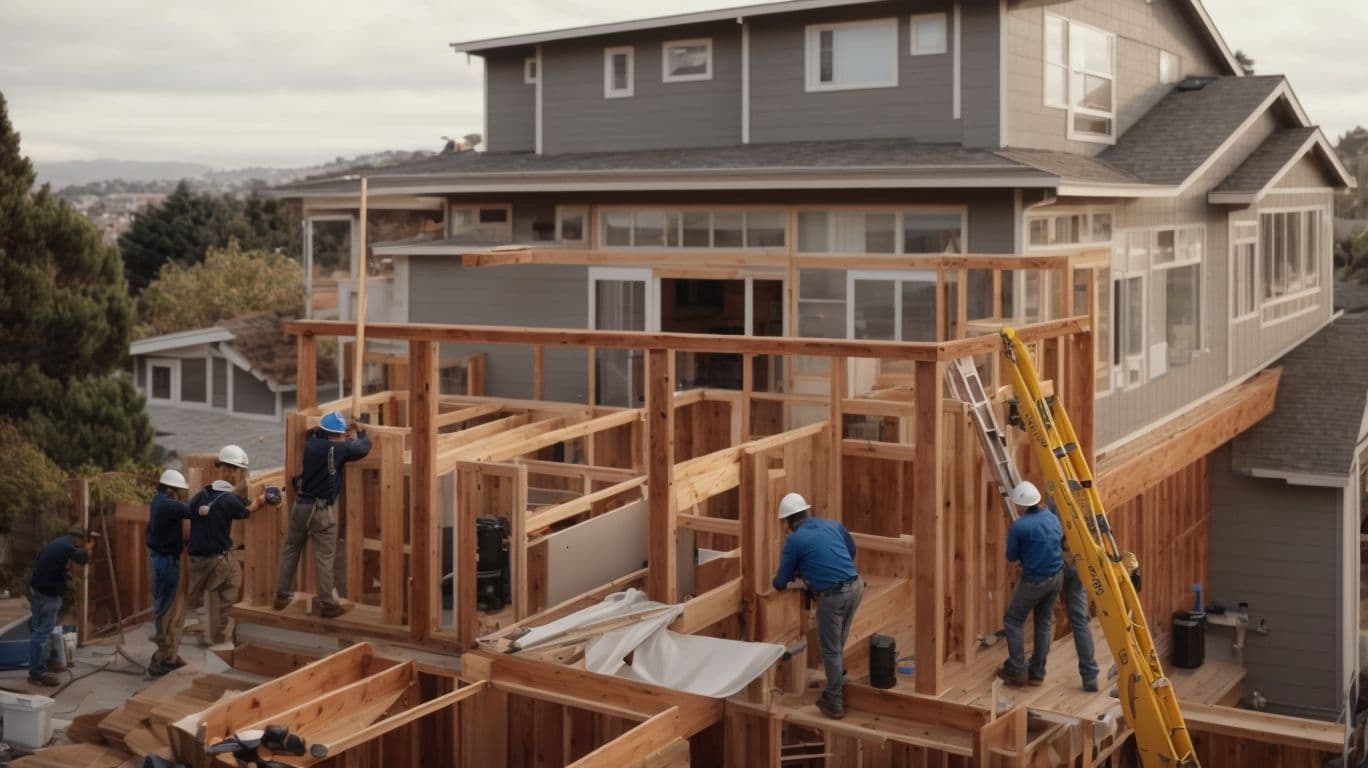
A Second Story Addition is a dream project for many homeowners looking to expand their living space by building additional floors above their existing structure, involving intricate construction and building processes. The allure of a second story addition lies in the opportunity to not only increase living space but also transform the entire look and feel of a home. This kind of home renovation project allows homeowners to reimagine their living environment and enhance functionality without the need to relocate. The complexities of construction and building involved in adding a second story require careful planning, structural considerations, and expert execution. From ensuring proper support for the additional weight to integrating seamless design elements, every detail plays a crucial role in achieving a successful and visually appealing outcome.Why Consider a Second Story Addition?
Considering a Second Story Addition offers homeowners the opportunity to renovate their homes, increase their property value, and invest in a long-term improvement to their living space. By adding a second story to your home, you not only create more living space but also enhance the functionality and aesthetics of your property. This renovation can provide additional rooms, such as extra bedrooms, a home office, or a recreational area, catering to the changing needs of your family. The increased square footage and modern upgrades that come with a Second Story Addition can significantly elevate the overall value of your home, ensuring a higher return on investment should you decide to sell in the future.Increase Living Space
One primary reason to opt for a Second Story Addition is the significant increase in living space it provides, allowing for enhanced space planning and layout modifications to cater to the family's needs. This expansion offers the flexibility to accommodate diverse family requirements over time. With a Second Story Addition, families can customize their living space to suit their changing needs, whether it's adding extra bedrooms, creating a dedicated workspace, or expanding communal areas for gatherings. The additional square footage also allows for better organization and storage solutions, reducing clutter and enhancing overall functionality. The vertical expansion minimizes the footprint on the property, preserving outdoor space while maximizing indoor living areas.Maintain Original Footprint
Opting for a Second Story Addition enables homeowners to maintain the original footprint of their property while enhancing both aesthetics and functionality through vertical expansion, blending old charm with modern efficiency. This approach not only allows for additional living space without sacrificing outdoor areas but also opens up possibilities for incorporating contemporary design elements seamlessly with the existing structures. By expanding vertically, homeowners can create a harmonious balance between the historical character of the original property and the innovative features of the new addition. This integration of old and new not only preserves the unique charm of the home but also adds value and functionality to the living space."Save on Landscaping Costs
Another compelling reason to consider a Second Story Addition is the potential cost savings on landscaping expenses, as vertical expansion minimizes the need for extensive ground alterations and landscaping work. By choosing to add a second story to your home, you not only avoid the high costs associated with landscaping adjustments, such as regrading the land and planting new greenery, but you also benefit from the budget-friendly nature of vertical expansion. With a Second Story Addition, the focus shifts towards maximizing existing space vertically, which can lead to significant savings compared to the expense of expanding horizontally. This approach allows homeowners to allocate their renovation budget more efficiently, as the cost estimation for a second-story addition tends to be more predictable and straightforward. The reduced need for extensive landscaping means homeowners can enjoy long-term savings and lower maintenance costs for their outdoor space.What are the Steps to Designing a Second Story Addition?
The process of designing a Second Story Addition involves consulting with architects or designers, creating detailed architectural plans, and obtaining the necessary permits to ensure compliance with zoning regulations and building codes. Architects and designers play integral roles in the planning and execution of a Second Story Addition. They work closely with homeowners to understand their vision and requirements, translating them into innovative design concepts. Detailed architectural plans are crucial as they provide a roadmap for construction, specifying structural details, layouts, and materials. These plans serve as a guide for builders and contractors, ensuring that the project stays on track. Obtaining permits is essential to meet regulatory requirements, ensuring that the addition complies with local building codes and zoning regulations.Consult with an Architect or Designer
The first crucial step in designing a Second Story Addition is to consult with experienced architects or designers who can manage the project effectively, communicate with clients, and translate dreams into reality. By involving architects or designers in the design process, clients can benefit from their expertise in project management, ensuring that timelines are met and budgets are adhered to. These professionals play a pivotal role in liaising with clients, understanding their needs, and crafting a design that exceeds expectations. Through effective client communication strategies, architects or designers can keep clients informed and involved every step of the way, fostering a collaborative environment where ideas can be exchanged and refined to achieve the desired outcome.Create a 3D Model of the Addition
Utilizing advanced technology, creating a 3D model of the Second Story Addition offers clients a realistic visualization of the final outcome, aiding in decision-making and ensuring that the design meets their expectations. It allows clients to have a virtual walkthrough of their future space, enabling them to envision the layout, materials, and spatial relationships with greater clarity. The 3D model serves as a powerful tool for architects and designers to illustrate intricate details and accurately convey the proposed design. By presenting lifelike representations, client feedback can be more effectively incorporated, leading to a smoother and more satisfactory design process. Ultimately, the use of 3D modeling ensures that the final Second Story Addition not only meets but exceeds client expectations.Obtain Necessary Permits
Securing the required permits for a Second Story Addition involves adhering to zoning regulations and building codes, ensuring structural integrity, safety compliance, and alignment with legal requirements. Zoning regulations play a crucial role in determining the allowable land use for construction projects. Understanding these regulations is paramount, as they specify the acceptable parameters for building additions. Building codes, set by local authorities, dictate the minimum standards for construction, including materials, structural design, fire safety, and more. Ensuring compliance with these codes is essential to guarantee the safety and stability of the second-story addition. Structural integrity considerations involve assessing the existing structure's capacity to support the additional load and ensuring proper reinforcement to prevent any structural issues. Legal compliance throughout the design and construction process is vital to avoid potential violations and legal repercussions.What are the Key Considerations for Designing a Second Story Addition?
When designing a Second Story Addition, crucial considerations include material selection to ensure durability and aesthetics, as well as engaging a structural engineer to assess the load-bearing capacity and integrity of the existing structure. Quality materials play a significant role in the longevity and visual appeal of the addition. Opting for durable materials like steel or treated lumber can enhance the structural integrity and withstand the test of time. Choosing materials that blend seamlessly with the existing architecture can result in a cohesive and attractive design. Structural engineers are instrumental in evaluating the current foundation and ensuring that the new addition aligns with all safety regulations. By integrating these elements early in the design process, you create a strong foundation for a successful and aesthetically pleasing Second Story Addition.Structural Integrity
Maintaining structural integrity is paramount in a Second Story Addition, requiring skilled labor, rigorous quality control measures, and adherence to building standards to ensure the safety and longevity of the expanded structure. Skilled labor plays a crucial role in the construction process, as each element must be carefully executed to support the additional weight and ensure the overall stability of the building. Quality control protocols are essential to identify any potential weaknesses or deviations from the design plans that could compromise the structural integrity. By adhering to building standards and regulations, builders can guarantee that the second-story addition meets all necessary requirements for safety and durability, providing homeowners with peace of mind and a secure living space.Matching Exterior Finishes
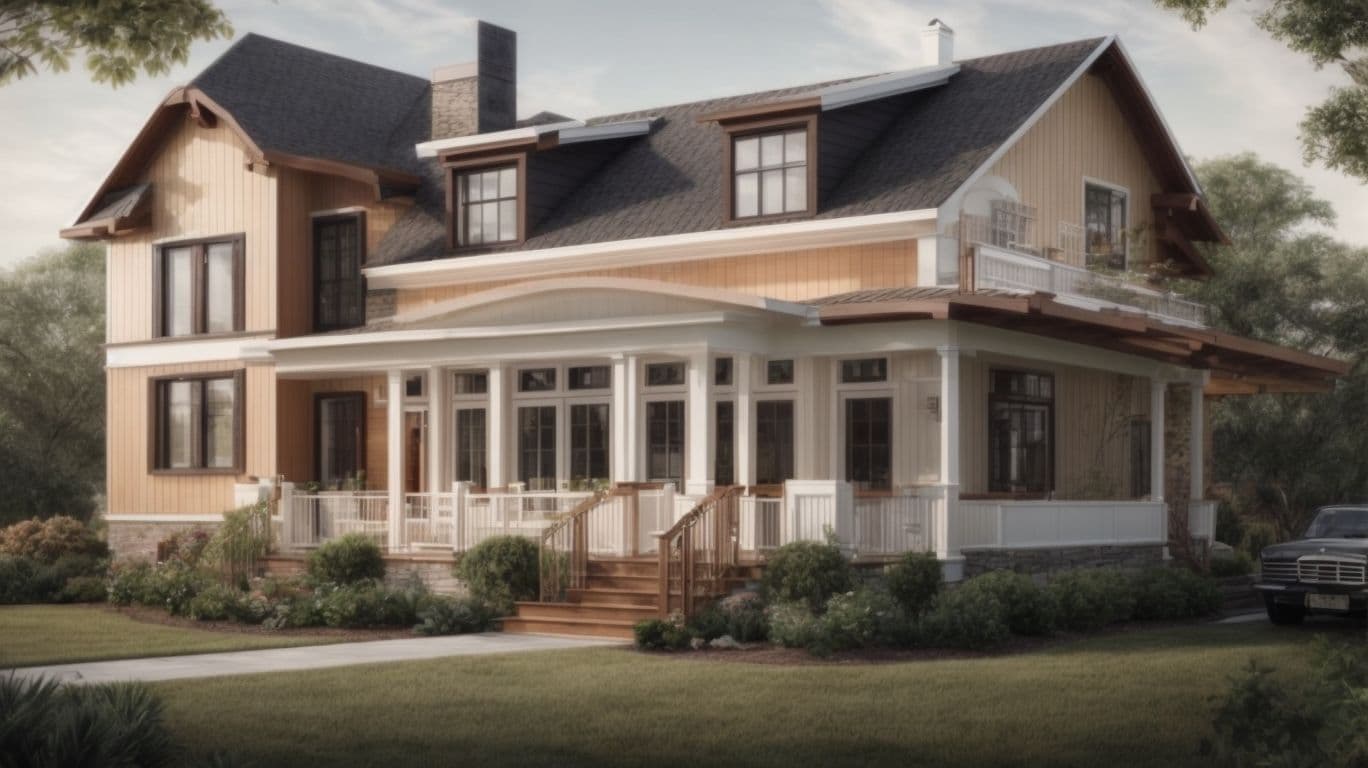
Achieving a harmonious design in a Second Story Addition involves matching exterior finishes such as windows, doors, and architectural details to maintain aesthetic consistency and visual appeal. This careful attention to detail ensures that the newly added story seamlessly integrates with the existing structure, creating a cohesive and unified look. When the exterior finishes are harmonized, it not only enhances the overall appearance of the home but also boosts its curb appeal. Consistency in finishes like matching window frames, door styles, and architectural elements like moldings or trim work can transform a basic addition into a well-thought-out extension that complements the original design.Maintaining a Cohesive Design
To create a cohesive design in a Second Story Addition, attention to detail in elements such as flooring, lighting, and insulation is essential, ensuring a seamless integration of new and existing spaces for a unified aesthetic. The flooring choice plays a significant role in tying together the old and new spaces, as selecting materials that complement each other can enhance the overall flow. Adequate lighting is also crucial for creating a consistent ambiance throughout the addition, ensuring that the transition between levels feels natural and harmonious. Opting for high-quality insulation not only improves energy efficiency but also contributes to a cohesive design by maintaining comfortable temperatures in all parts of the home. By carefully considering these design elements, homeowners can achieve a balanced and cohesive look in their Second Story Addition.Budget and Timeline
Managing the budget and timeline for a Second Story Addition project is crucial for ensuring cost efficiency, timely project completion, and overall client satisfaction with the investment and construction process. Effective management of the budget involves detailed cost estimation right from the planning phase to avoid any unexpected expenses that can derail the project. Accurate forecasting not only helps in staying within the allocated budget but also in optimizing resources. Similarly, maintaining a well-structured timeline is essential to track progress, meet project completion targets, and ensure smooth workflow coordination among various stakeholders. Ultimately, successful budget and timeline management are key indicators of project success, reflecting positively on the client's experience and satisfaction.What are the Common Challenges when Designing a Second Story Addition?
Designing a Second Story Addition presents common challenges related to integrating existing plumbing and electrical systems, ensuring seamless connections, and addressing potential infrastructure conflicts within the expanded structure.- When tackling the integration of plumbing and electrical systems in a Second Story Addition, designers often face the task of aligning these vital components with the new layout while ensuring they meet the necessary building codes. This can involve intricate planning to reroute existing systems, relocate fixtures, and ensure adequate support for the increased load. The need for seamless connections underscores the importance of precision and coordination between the various trades involved, from plumbers to electricians, to ensure a harmonious integration.
- Overcoming infrastructure conflicts during the design phase requires proactive problem-solving, such as conducting thorough assessments, anticipating potential clashes, and devising innovative solutions to circumvent any hindrances that may arise.